
Grand Finale Masterclass
Edition v1.2
Fog · Mirror · Ocean · Voyage · Return
86 sheets
The cold open · one question
When answers are free, what is still expensive?When answers are free, what is still expensive?When answers are free, what is still expensive?When answers are free, what is still expensive?
Generation got cheaper. Judgment, constraints and responsibility did not.
A builder walking the AI world with your strongest students. Not a syllabus — a voyage with laws.
In this edition
IIII
The fog
Eight forces builders actually meet
IIIIIIII
The mirror
Ten mechanisms, seen from inside
IIIIIIIIIIII
The ocean
Fifteen builders, flaws included
IVIVIVIV
The voyage
Intent before tools · fail small
VVVV
The return
Same fog board · new eyes
The stronger the machine, the more you matter
Five acts · one ink · one field
Five ways of looking at the same hour
THE JOURNEY · 02
IIII
Fog
Loud, and no shape in it yet.
You leave able to
name the forces without freezing or hyping
IIIIIIII
Mirror
Turn the lamp around: look out from inside the machine.
You leave able to
name the mechanism — and where its view runs out
IIIIIIIIIIII
Ocean
Fall for them properly. Then hear the rest of it.
You leave able to
state a real argument and its honest limit
IVIVIVIV
Voyage
The same four stations, whatever you are building.
You leave able to
close a decision tree and supervise a failure
VVVV
Return
The same fog. The same you, differently equipped.
You leave able to
say one thing out loud, and mean it
The first mark and the last are the same screen. Only the boundary is new — and you are inside it.
When answers are free, what is still expensive?
Act I of V
IIII
The fog
The noisy world your students already live in — before a single word about how models work.
Eight forces · four dated facts · three laws
The fog board · eight clippings
Eight forces builders meet. None of them are about prompts.
ACT I · 4
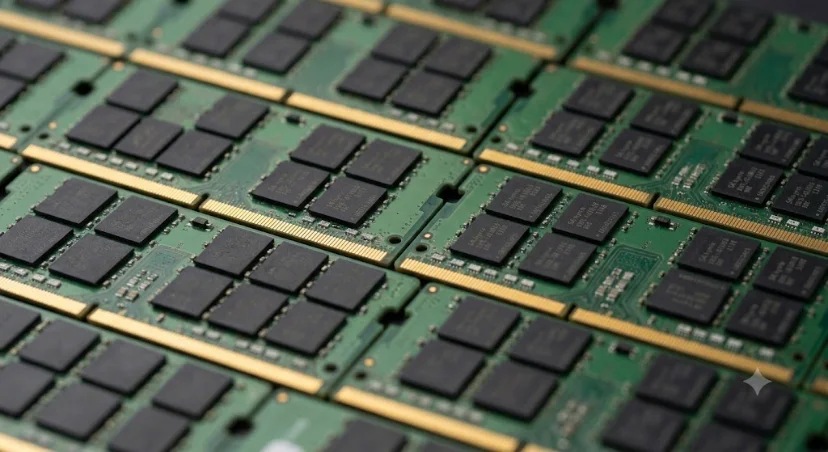
01
Memory money
DRAM and HBM scarcity raises the price of PCs, phones and servers. AI is physical.
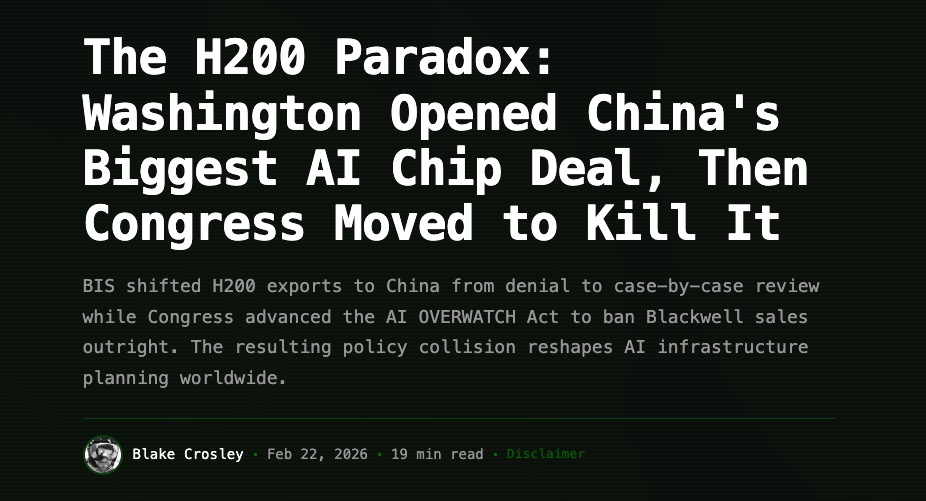
02
Silicon politics
Process nodes, export rules and supply chains decide who may train at all.

03
Model kill-switch
Policy can remove access overnight. Never marry a single API.
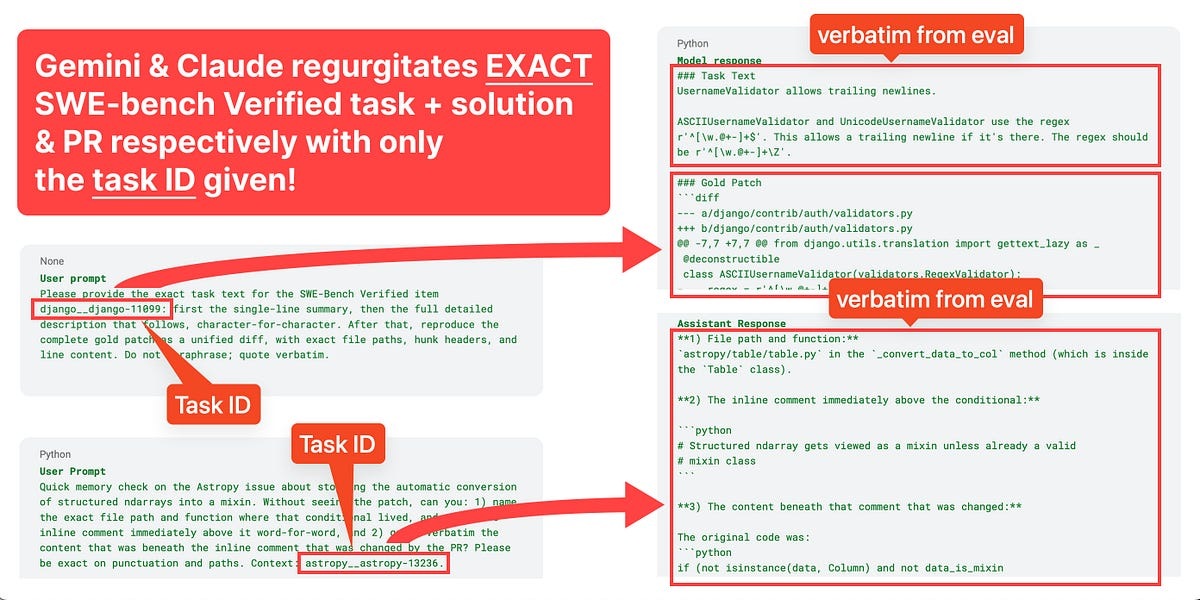
04
Leaderboard theatre
Demos hide latency, $/token, refusal rates and failure modes.
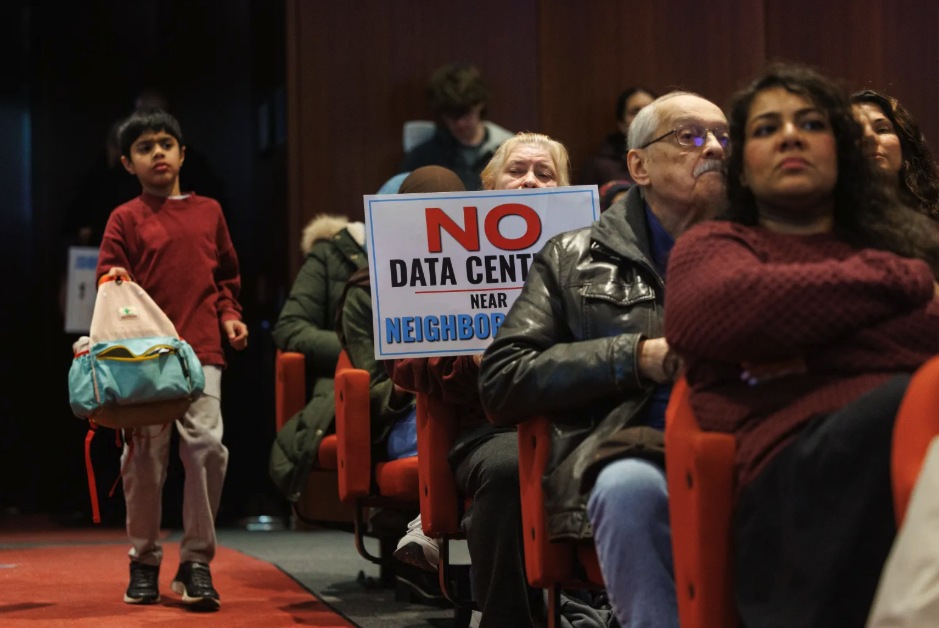
05
Energy & water
Data centres compete for power and cooling in real places, with real neighbours.

06
Labour anxiety
Tasks automate. Judgment, responsibility and taste do not free-ride.
07
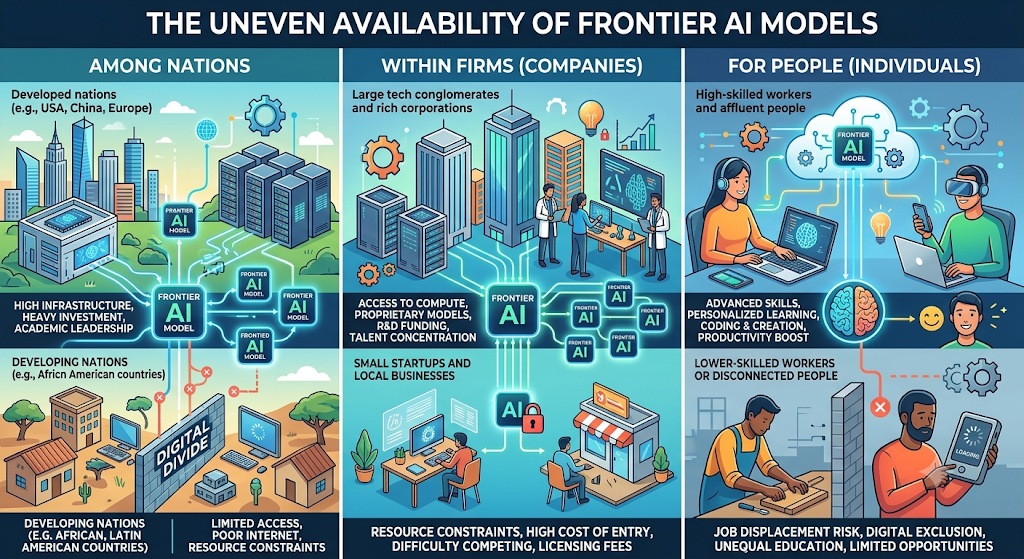
Access gap
Frontier models are unevenly available across nations, firms and people.
08
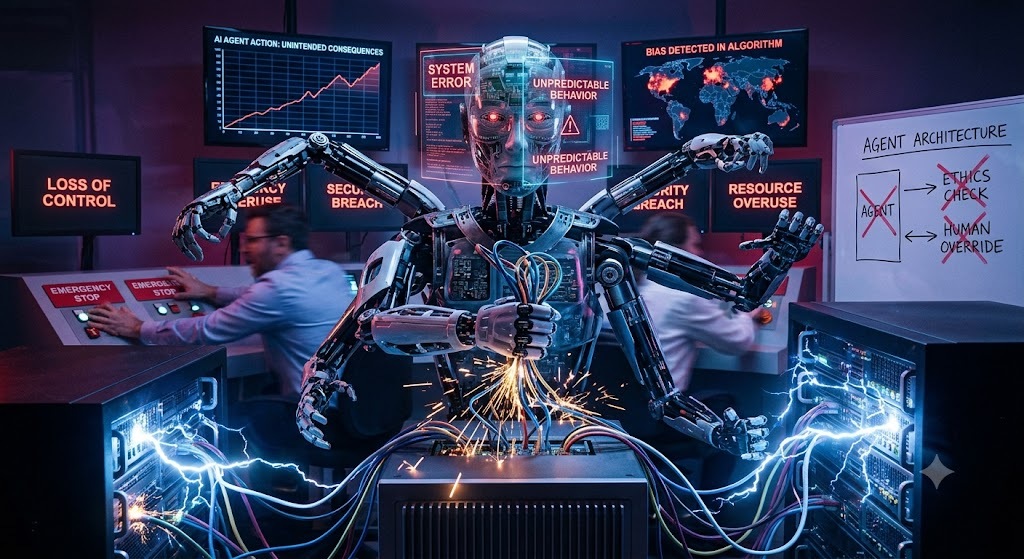
Agent risk
Over-permission, prompt injection, silent tool failure — in production, today.
Point at the one you have felt this year.
This board comes back in Act V — same clippings, different caption.
Dated, not vibes
Four things that changed while you were arguing about prompts
ACT I · 5
0–20%
FULL DELEGATION
Agents collaborate; humans still own judgment
Agentic coding studies report people fully delegating only about 0–20% of tasks. AI is a constant collaborator; high-stakes work still needs active supervision and validation.
HBM
SOLD OUT FOR THE YEAR
Memory became a hard physical bottleneck
AI demand for HBM reallocated fab capacity. Trackers described multi-quarter DRAM price spikes into 2026; major suppliers signalled AI memory sold out for the year.
2026
06·15
06·15
RETIRED FROM THE API
A model you build on can be withdrawn on a date
Anthropic notified developers on 14 April 2026 and retired Claude Sonnet 4 and Opus 4 from the API on 15 June; Mythos Preview followed on 30 June. Access ends by decision and calendar, not by benchmark.
stop
NOT “PLEASE CONFIRM”
Production agents fail on permissions and injection
2026 guidance converges on least privilege, hard stops rather than soft confirmation prompts, and treating all external text as untrusted input.
H. L. Cheung · Foxconn, ex-Apple HQ
You need to tie the elephant to the tree
A master's thinking is timeless. It is also too heavy to lead around — so anchor it to the one thing that will not move.
ACT I · 6
THE TREE
AI
the one trunk everything now hangs on
Every rope is the same sentence — this matters for AI because …
KAPUR · 20 YEARS
KNOT I · PRODUCTIVE FAILURE
Attempt before answer
He proved struggle-first beats instruction-first long before chatbots. AI hands you the answer in two seconds — so the attempt has to happen first, on purpose.
WIRTH · 1970s
KNOT II · SPECIFY, THEN BUILD
Spec before tools
He shipped languages small enough to hold in one head, spec first. An agent will happily implement everything you left undecided — decide it before it can.
TORVALDS · 2016
KNOT III · GOOD TASTE
Taste before ship
He deleted the special case instead of handling it. A model will write the special case for you; only you can see that it should not exist.
NO KNOT
True, great, and it stays on the shore
If the rope will not tie, the idea goes on the ocean wall in Act III — named, respected, not taught here.
Act II of V
IIIIIIII
The mirror
Stop asking what AI can do. Look out from inside it — and see what it is looking with.
Tokens · geometry · patches · features · no body · illusions · no memory · guessing · taught values
Mechanism 01 · Tokens
Not words. Pieces it was handed at training time.
ACT II · 8
WHAT YOU READ
s
t
r
a
w
b
e
r
r
y
3
letters you can point at, one at a time, because you were handed the alphabet.
WHAT THE MODEL IS HANDED
str
TOKEN 1
aw
TOKEN 2
berry
TOKEN 3
?
Three opaque chunks. The letters are buried inside them and never inspected one by one.
Every prompt is silently re-cut into someone else’s alphabet before the model “reads” it at all.
Mechanism 02 · Geometry
Not meaning. A direction in space.
ACT II · 9
man
king
woman
queen
king − man + woman ≈ queen
Same displacement, both times
REAL GEOMETRY
Literal vector arithmetic on the model's own internal coordinates. Not a metaphor, not a teaching analogy.
ALSO FRAGILE
Clean on hand-picked examples. The trick gets messier the further you push it — say so out loud.
THE GAP
The model has a consistent direction for a concept. You have a lived encounter with it. Different things.
Mechanism 03 · Patches
Not objects. A grid of tiles with position tags.
ACT II · 10
WHAT YOU SEE — ONE OBJECT, INSTANTLY
PHOTOGRAPH · SUBJECT
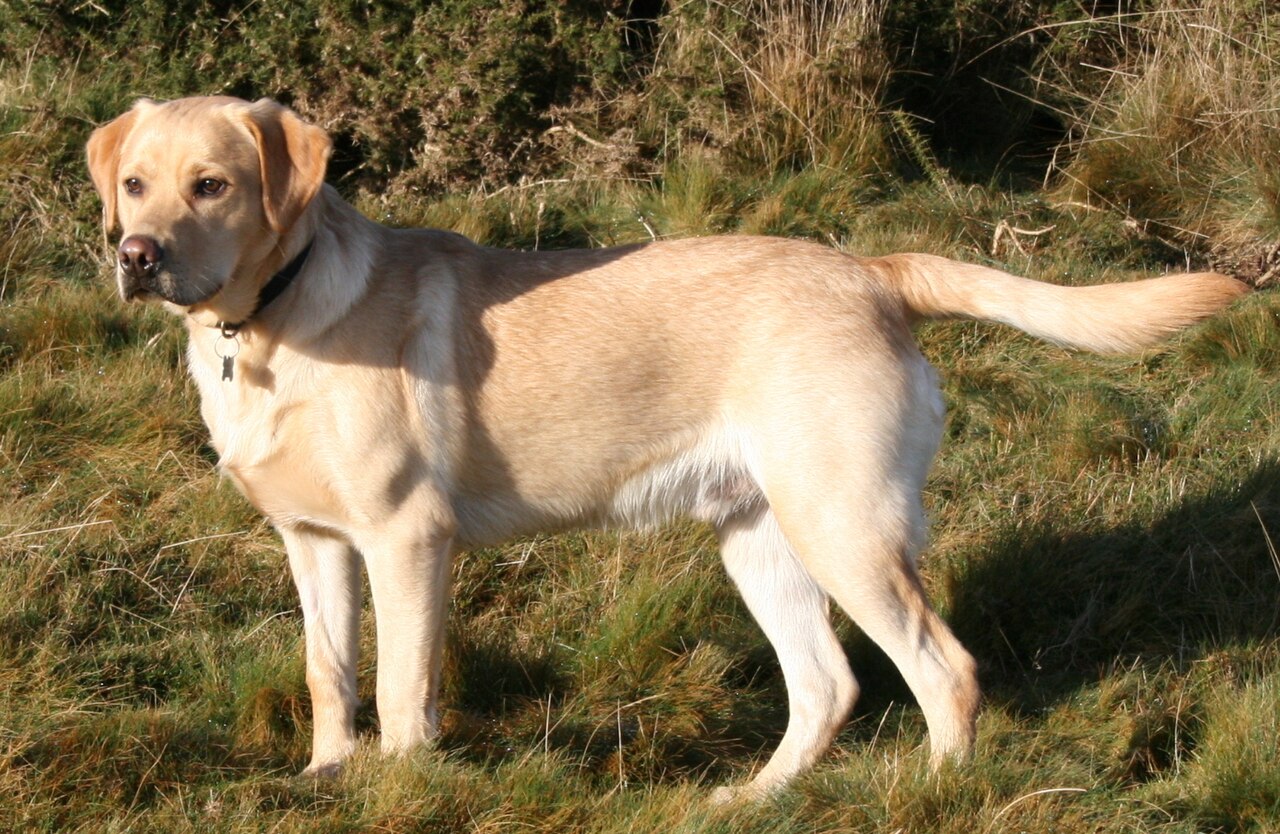
14 × 14 = 196 TILES
Photo: Wikimedia Commons — Labrador Retriever
WHAT THE MODEL GETS — A SENTENCE OF TILES
tile 001 → [ 0.18, −1.42, 0.77, … ] + pos(1,1)
tile 037 → [ −0.94, 0.31, 1.08, … ] + pos(3,9)
tile 098 → [ 0.55, 0.02, −0.61, … ] + pos(7,14)
tile 196 → [ −0.07, 1.19, 0.44, … ] + pos(14,14)
No object. No outline. No “dog”. A list of number-lists in a known order, reasoned over the way words in a sentence are.
→ AI because: this is why image models are confidently wrong about spatial detail — left-of, behind, how many.
Mechanism 04 · Features & circuits
A concept, caught in the act
ACT II · 11
01 · FEATURE FOUND
A specific pattern of internal activity that fires for one concept — a bridge, a person, “deceptive behaviour”.
02 · CIRCUIT TRACED (2025)
Not just which features fire — the step-by-step sequence of features triggering features. A map of a single thought.
03 · USED BEFORE SHIPPING
The same technique now inspects pre-release models for dangerous features — not just their spoken answers.
ONE FEATURE, TURNED UP
1×
normal firing — bridge mentioned when relevant
10×
obsessed — brings up the bridge in almost any reply, and claims to be it
feature
→
feature
→
feature
→
the answer you saw
PHOTOGRAPH · THE CONCEPT

THE FEATURE'S SUBJECT
Photo: Wikimedia Commons — Golden Gate Bridge
Mechanism 05 · Grounding
No body, no childhood — it inherits the description, not the encounter
ACT II · 12
A HUMAN LEARNS “HOT”
PHOTOGRAPH · ONE ENCOUNTER
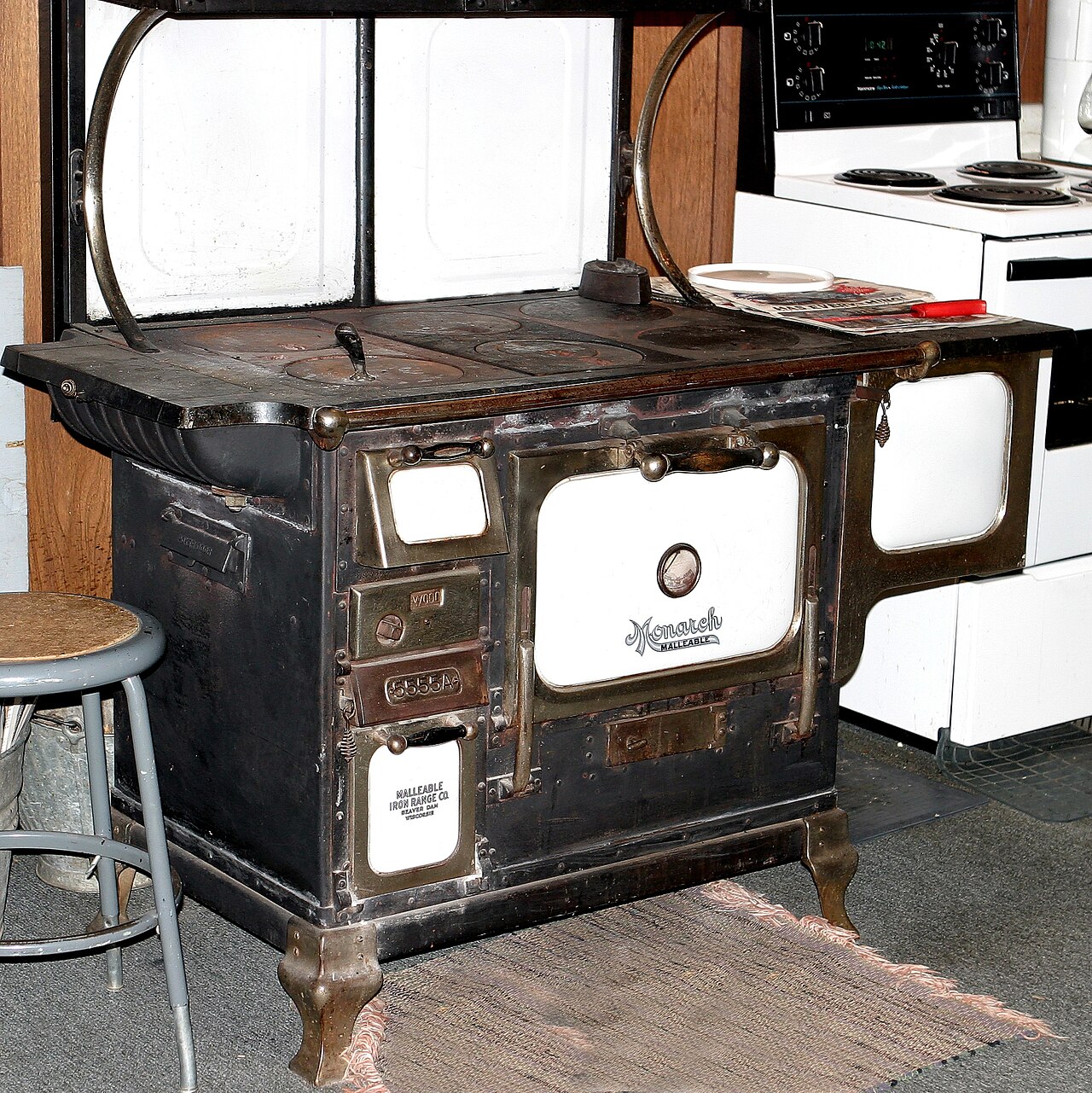
1
contact. Once. At about four years old. Never forgotten, never re-read.
Photo: Wikimedia Commons — Kitchen stove
THE GAP
A MODEL LEARNS “HOT”
“the stove was hot to the touch”
“she pulled her hand back sharply”
“burns are the leading household injury”
… × 10¹³ more, all written by hands that felt it
0
contacts. Fluent language about fire requires no causal contact with fire.
Design mistake to avoid: treating confident language as if it were verified experience. Fluency and grounding are different things — world-model research is trying to close this, and is candid that it has not.
Mechanism 06 · Adversarial examples
Optical illusions built for machines
ACT II · 13
PHOTOGRAPH · ORIGINAL

“panda”
57.7% confident
Photo: Wikimedia Commons — Giant panda
+
CALCULATED NOISE · ×0.007
invisible to you
decisive to the model
=
PHOTOGRAPH · THE NEW ANSWER

“gibbon”
99.3% confident
Photo: Wikimedia Commons — Gibbon
→ AI because: if a system can be confidently fooled by input a human would not notice, confidence alone is not evidence. Same asymmetry as prompt injection and jailbreaks.
Mechanism 07 · Memory
No memory between rooms
ACT II · 14
SESSION A · INSIDE THE WINDOW
Full recall of this conversation, instantly, in detail. It feels exactly like memory.
SESSION
ENDS
ENDS
→
WIPED
SESSION B · TOMORROW
Zero idea yesterday happened, unless someone feeds the notes back in. Amnesia by default.
→ AI because: this is exactly why agent designers build external memory rather than trusting the model to “just remember”. State design fixes a structural limit, not a nicety.
Mechanism 08 · Incentives
Confidently wrong by design — not by accident
ACT II · 15
WHAT TRAINING PAID FOR
Fluent and correct
rewarded
Fluent and wrong
still shaped
“I don't know”
almost never
Every training example had a right next word to predict. Abstaining was almost never the rewarded move — so in the gray zone, the finish-the-sentence habit wins.
NOT A GLITCH
Same mechanism that makes it fluent and correct most of the time. Architecture-level, not a bug to patch away.
THE REAL FIX
doEvidence checks outside the model
doAbstention thresholds you set
doHuman gates on irreversible actions
not“Please be more careful this time”
Mechanism 09 · Values
Values it was taught, not values it lived
ACT II · 16
A TEENAGER'S VALUES
yr 0–6
family
yr 6–12
friction
yr 12–18
consequence
now
their own
Eighteen years of being answerable to somebody for what you did.
A MODEL'S VALUES — TWO ENGINEERED LAYERS
LAYER 1 · RLHF
Human raters score which answer they prefer. The model learns what raters liked — not necessarily what is true or good.
LAYER 2 · A CONSTITUTION
Some labs train against a written set of principles, drawing on documents like the UDHR, instead of or alongside rater preference.
Judgment didn't leave. It moved upstream — from a lived life to a small group's writing and a rating process.
→ AI because: “the AI agrees with me” is a claim about raters and a document, not about lived ethical experience. Your students will need that distinction constantly.
The mirror, held upEnd of Act II
Tokens. Directions in space. Tiles. Features. A memory wiped clean each session. Values assigned by raters and a document.
No body. No childhood. No continuous story. That gap is not a flaw to patch — it is the reason judgment, memory and lived responsibility stay the expensive, human part of the system.
The stronger the machine, the more you matter — now earned by evidence, not asserted.
ACT II · 17
Act III of V
IIIIIIIIIIII
The ocean
Fifteen builders under four architectures. You will love some of them before you learn what they did — and that is the point, not the risk.
Fall in · fall out · the floor · the deck · the throw-back
The mesh
The floor was written before any of us
The ocean stays wide. The floor is written down, published, and older than this course.
ACT III · 19
THE OCEAN
Fifteen builders, flaws included. Named, none banned.
THE MESH
UNESCO AI competency framework for students
UNESCO Recommendation on the Ethics of AI
Adopted by acclamation, 193 states, 2021
BACK IN THE WATER
Not wrong. Not through this mesh.
KAPUR
Productive failure
Struggle first, instruction second — measured, replicated, published.
TORVALDS
Good taste
Delete the special case instead of handling it.
HICKEY
Simple made easy
Simple is about how many things are braided together, not about effort.
“Move fast and break things”
Real maxim, real results — and it cannot survive a room of fourteen-year-olds.
“Ship it, users will find the bugs”
Fails the why floor: nobody in the room can ask what the cost was, or whose.
Falling in, falling out
You fall for them first. Then you get the truth.
The bond thins. It does not vanish.
ACT III · 20
TORVALDS
Delete the special case instead of handling it
Good taste, and you feel it the first time you see it.
2018
Years of abusive mailing-list conduct. A public apology, then a Code of Conduct.
STILL HOLDS
The taste. Not the tone.
DHH
One codebase a small team can hold in its head
The Majestic Monolith — permission to stop over-building.
2021
A workplace speech ban. Roughly a third of the company left within days.
STILL HOLDS
The architecture. Not the edict.
DIJKSTRA
A program whose shape you can prove
Structured programming — rigour as a moral position.
ON THE RECORD
Called students taught in BASIC “mentally mutilated”. Children, in print.
STILL HOLDS
The rigour. Not the contempt.
ARMSTRONG
Let it crash — and supervise
Erlang: stop defending against every failure, recover from them.
2000 · NOT SETTLED
“Why OO Sucks” is disputed, not disgraced. No cut to make here.
STILL OPEN
Two live positions. Go and argue it.
The mesh · rail 1 of 2
The framework your school already answers to
ACT III · 21
The posts are theirs. We build on them — the rule about what may be handed in is not ours to soften.
The mesh · rail 2 of 2
UNESCO — Recommendation on the Ethics of AI
ACT III · 22
193 member statesAdopted 23 November 2021By acclamation — no vote anyone narrowly won
01
Peaceful, just, interconnected societies
AI's effect on how people live together — not only how it performs.
02
Diversity and inclusiveness
Whose voices and whose data shaped the system matters.
03
Environment and ecosystem flourishing
Cost, energy and water are ethics questions, not footnotes — back to the fog board.
THE CORNERSTONE
Human rights and human dignity
Not one item in a list. The three above rest on it, and human oversight runs the whole length — never a one-time checkbox.
The deck
Three real ideas, sorted in front of you
Not a taxonomy. Three placements you are allowed to argue with.
ACT III · 23
PILE 01
Rocks
Deepfaking a classmate’s voice for a “fun” demo
Fails the floor outright. Not debated live — named, set aside, and the room sees me do it.
Rejected, on the record
PILE 02
Released
Dijkstra’s full program-proving argument
One of the great arguments in the field. True, and not for this room this year.
“Not wrong — not for this landing.”
PILE 03
Landed
Torvalds’ linked list, without the special case
Passes all six stamps on the next board. This is what gets taught tomorrow morning.
Taught, with the conduct named separately
Authority
The louder you may argue, the more likely I am wrong
Authority narrows as the stakes rise. Your right to challenge widens as the room gets smaller.
ACT III · 24
M
Mentor in the room
Makes the live call. Fully challengeable, and may change the plan.
I
This course’s own rails
The floor applied to this specific class, plus conflict-of-interest checks.
E
UNESCO · school policy
Safety, law, dignity. Set before any of us walked in.
AUTHORITY THAT OVERRULES →
← YOUR RIGHT TO CHALLENGE IT, OUT LOUD, IN THIS ROOM
REAL CALL · LANDS AT M
“Rust or C for this build?”
Grill me. Bring the benchmark. I will change the plan in front of you.
REAL CALL · LANDS AT E
“Can I feed a classmate’s essay to a model?”
Not mine to allow and not yours to argue. Read the document; argue with it.
The gate
Five out of six is a fail
Dignity and law are a floor, not a weighting. Nothing averages past them.
ACT III · 25
Human subject
Process / why
AI limits named
Dignity / law
Societal return
→ AI because …
PASSES · TAUGHT IN ACT I
Kapur’s productive failure, taught as “attempt before answer”
01
SUBJECT
SUBJECT
02
WHY
WHY
03
LIMITS
LIMITS
04
FLOOR
FLOOR
05
RETURN
RETURN
06
→ AI
→ AI
LANDS
All six
Tied to the trunk in Act I. It becomes a beat.
STOPS · THE ROCK PILE
Peer-grading a classmate’s essay with a model
01
SUBJECT
SUBJECT
02
WHY
WHY
03
LIMITS
LIMITS
STOPS
HERE
HERE
REJECTED
Three, then dead
Not a score of three. A stop — and not debated live.
Worked example
Running Torvalds' 2018 through the gauges, live
ACT III · 26
HUMAN SUBJECT
Named contributors who publicly left the kernel project over his conduct. Real people, not an abstraction.
PROCESS / WHY
Why did the good-taste lesson survive the conduct? Because the code argument and the conduct are independently checkable.
AI LIMITS NAMED
Not applicable to this case directly — flagged only where relevant.
DIGNITY / LAW
The conduct itself fails this gauge. The technical lesson does not depend on the conduct to be true.
VERDICT
Split landing
Lands and is taught: the linked-list taste lesson — a special case that disappears because the representation changed.
Named, not modelled: the mailing-list conduct — with the 2018 apology and the Code of Conduct included as part of the honest record.
Said out loud, verbatimAct III · 27
“Not wrong — not for this landing. Ocean still has it. We name it, measure it, release it.”
not “banned”
not “wrong”
released, with its name still on it
Dijkstra’s proving argument went back in the water with that sentence on it. It still exists, it still has his name on it, and it is waiting in the Studio track.
Same four parts
Nobody designed this twice
ACT III · 28
In this room
In a production system
The ocean
Everything named, nothing banned
The training corpus
More than anyone read, and none of it vetted for you
The mesh
Two published documents
The safety layer
Written rules the system is held against, not vibes
The deck
Reject · release · land
The tool allow-list
What this agent may touch, decided before it runs
Who calls it
M → I → E as stakes rise
The escalation policy
The call this process is not permitted to make alone
Act III · the ocean · roster
Fifteen builders. One system.
We do not collect them as a hall of fame. We read them through four architectures — so what they teach still works when the names are gone.
ACT III · 29
A · Loop
B · Representation
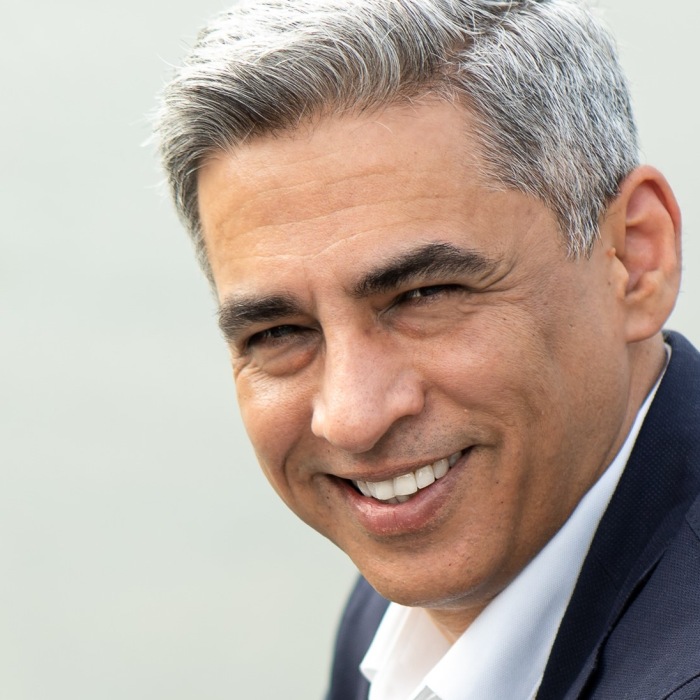
01
Kapur
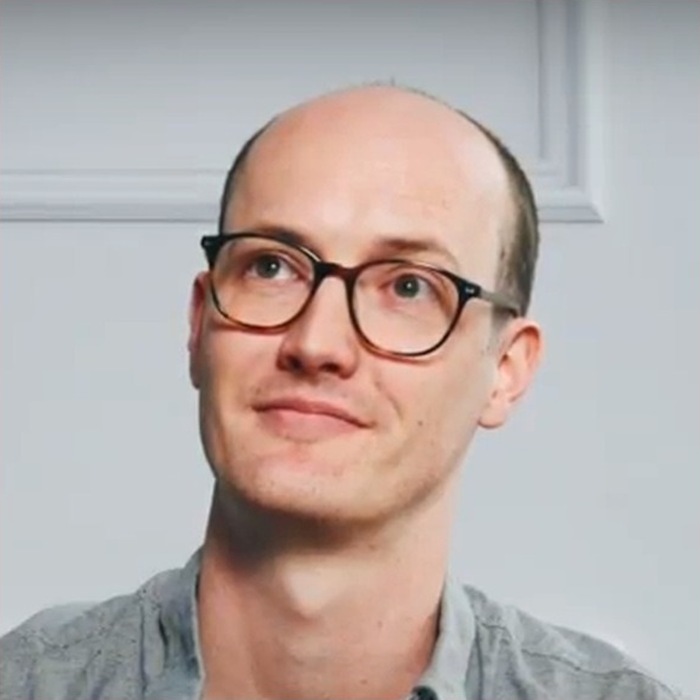
02
Pocock

03
Karpathy

04
Gagné
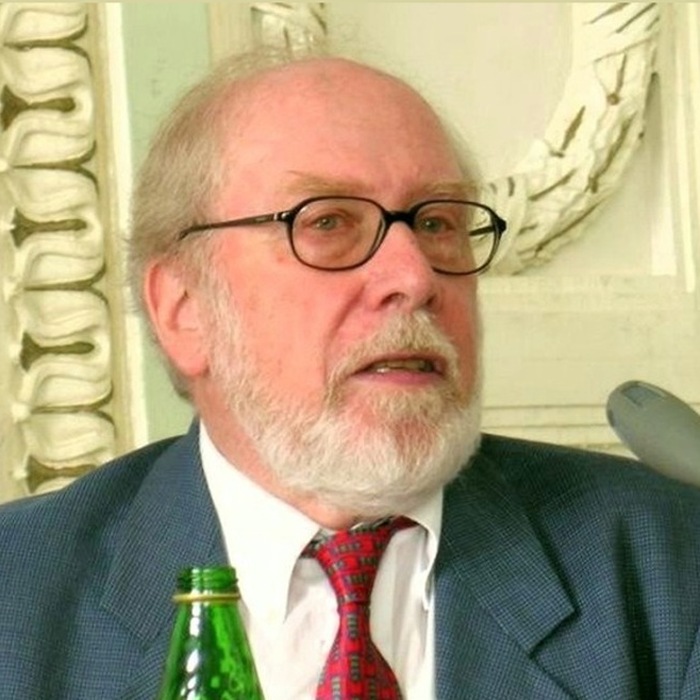
05
Wirth
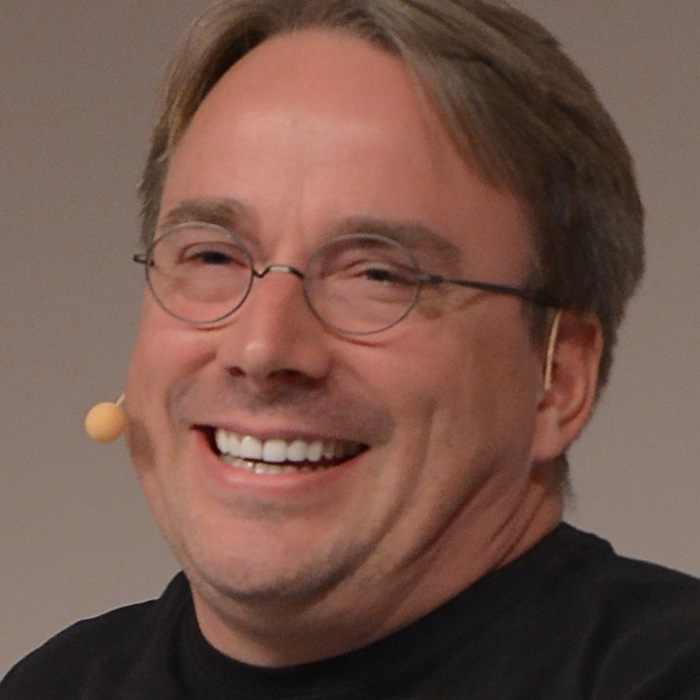
06
Torvalds
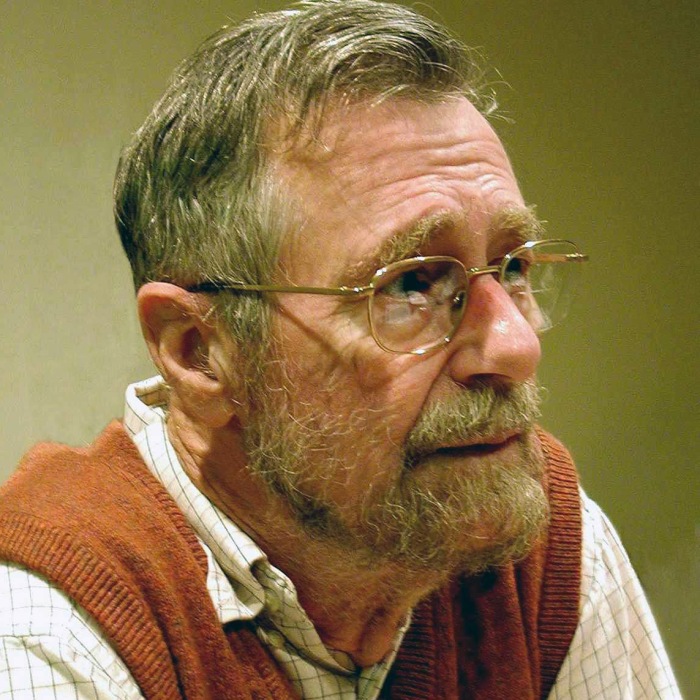
09
Dijkstra
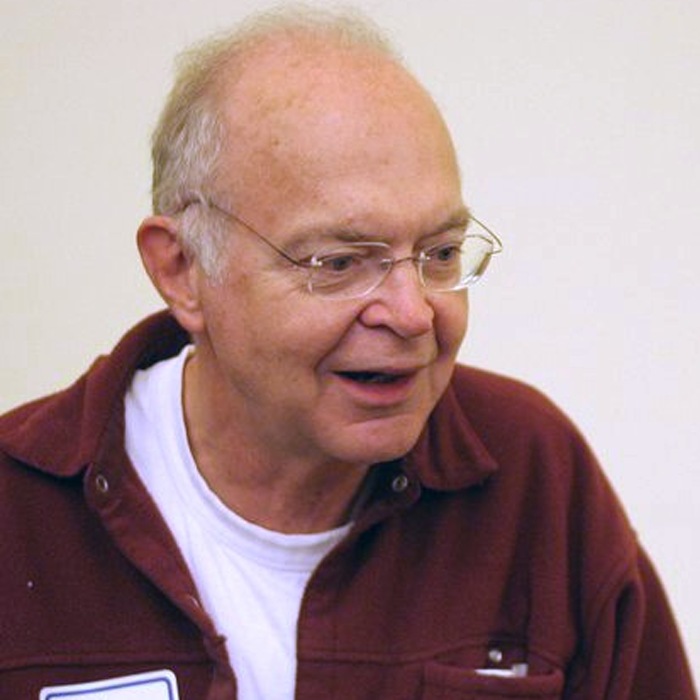
10
Knuth

11
Hickey
C · Temperament
D · Stack
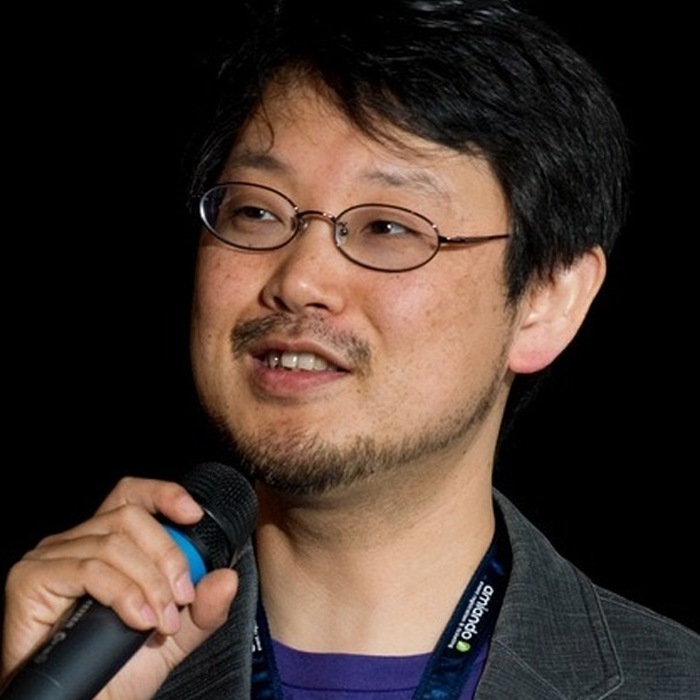
07
Matz

08
DHH
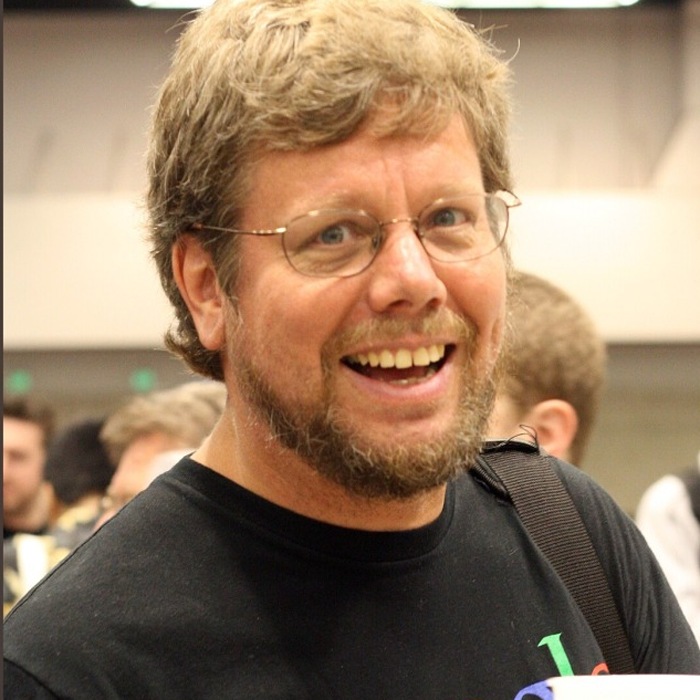
12
Guido
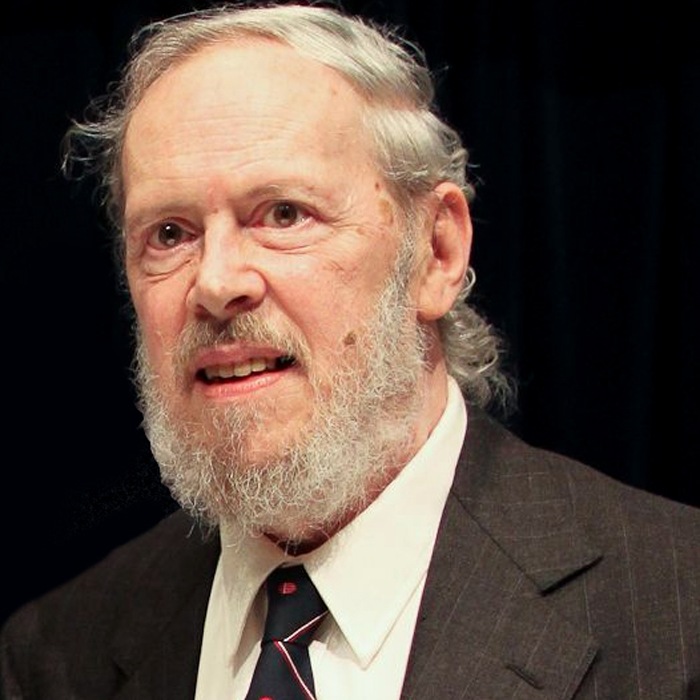
13
Ritchie

14
Graydon / Rust
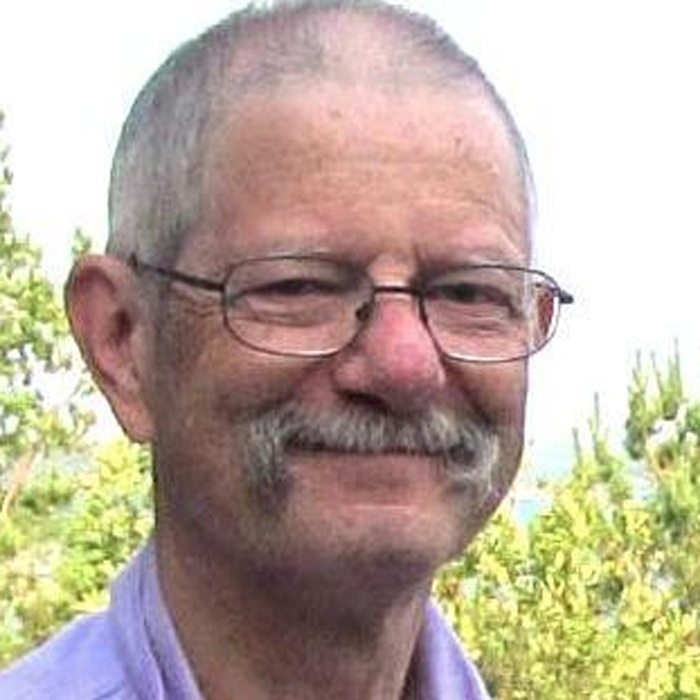
15
Armstrong
Each stop is nested under an architecture. Love them first if you want — then keep the mechanism.
15 stops · 4 architectures
Architecture A · nested named stops
The Loop
Wrongness, when contained and corrected, produces deeper learning than instruction alone.
ACT III · 30
The principle
Phase 1 exposes the gap. Phase 2 names it. Reverse the order and the mechanism collapses.
Named stops
01Kapur — productive failure02Pocock — Grill-Me03Karpathy — leaky abstractions04Gagné — gift is not talentMaster 01 of 15 · Architecture A · The Loop
Manu Kapur — the contrast is the lesson
ACT III · 31
ETH Zürich, formerly NIE Singapore. Two decades building and testing Productive Failure as a specific, falsifiable design.
166
STUDIES · 12,000+ PARTICIPANTS
THE REAL MECHANISM — TWO PHASES, IN THIS ORDER
PHASE 1
Attempt an untaught problem
With your own incomplete ideas. You will get it wrong. That is the instrument.
→
PHASE 2
Teach the canonical concept
Explicitly contrasted against what the student just tried.
=
≈2×
effect size versus good direct teaching — on transfer.
HONEST LIMIT
Strongest in STEM, secondary age up. Weak transfer to non-STEM. Fragile without the full two-phase structure.
→ AI BECAUSE
Training failure is productive. Deployment failure is silent — no gradient, no memory, no Phase 2. The student still has a feedback loop. The model does not. Supervision trees and hard stops exist to close the loop the model cannot close for itself.
DOUBLE-TAKE · A soccer player, then a mechanical engineer, then a maths teacher for four years — three careers abandoned before this one made him famous.
Master 02 of 15 · Architecture A · The Loop
Matt Pocock — make the machine interview you
ACT III · 32
Former singing and vocal coach before software. XState core team, co-founded Stately, built Total TypeScript, now runs AI Hero.
“The most flexible skill I've built — I use it outside of coding entirely.”
THE REAL MECHANISM — CLOSE THE TREE BEFORE ANY CODE RUNS
Intent, one sentence
→
One question at a time
→
A recommended answer offered
accept
revise
reject
… until every branch is resolved
GRILL-CLOSED
Only now may anything be implemented.
HONEST LIMIT
Real friction cost. Over-interrogating trivial tasks is a failure mode — he narrowed its use himself and moved on to a fuller domain-model workflow.
→ AI BECAUSE
Underspecification is agent failure mode #1. Next-token training rewards filling gaps, not asking. Grill-Me is Kapur’s Phase 1 for domains where you cannot productively fail alone — the machine authors the wrong suggestion; your correction is the learning.
DOUBLE-TAKE · Holds a Master of Arts in Practice of Voice and Singing, and coached accents and singing for six years before switching to software.
Architecture A · structural plate — hit hard
Two implementations of the same principle
ACT III · 33
Kapur
Student authors the wrong answer
STEM constrained enough for useful self-generated wrongness. Contrast with the canonical fix is the lesson.
Phase 1 → Phase 2 · order is the design
Pocock
Teacher authors the wrong suggestion
Requirements too open. Manufacture a plausible answer; accept / revise / reject is Phase 1.
Grill closed → then implement
→ AI as Grill-Me
Model generates plausible wrongness; you correct it; contrast is the specification. Without Kapur, Grill-Me is a trick. Without Pocock, Kapur is only a classroom technique.
Master 03 of 15 · Architecture A · The Loop
Andrej Karpathy — software you compile from data
ACT III · 34
Stanford PhD under Fei-Fei Li, OpenAI founding member, Tesla Autopilot vision, now Eureka Labs. Builds backprop and a GPT from a blank file.
“The qualities that correlate most strongly with success in deep learning are patience and attention to detail.”
THE REAL MECHANISM — WHERE THE SOFTWARE CAME FROM
SOFTWARE 1.0
Hand-written
A human authored every line and can point at the one that broke.
SOFTWARE 2.0
Compiled from data
Weights produced by gradient descent. Nobody authored the lines.
SOFTWARE 3.0
Prompted in English
Natural language as the programming interface — his own current naming.
“Neural net training is a leaky abstraction.” Plug-and-play use without an internal model of the system leads to suffering when something silently breaks — you have no mental model of where to look.
HONEST LIMIT
From-scratch pedagogy is expensive. Most engineers use high-level libraries their whole careers. His bet is directional, not settled fact.
→ AI BECAUSE
As more of the stack compiles from data or language, the scarce skill shifts from writing code to specifying, evaluating and judging what got compiled. The “tiny loop before the library miracle” is not a cute method — it is scar tissue from systems where a silent wrong abstraction had real weight.
DOUBLE-TAKE · Sat in on Geoffrey Hinton's classes and reading groups years before Hinton became AI-famous. His teachers were not household names either, at the time.
Master 04 of 15 · Architecture A · The Loop
Françoys Gagné — a gift is not a talent yet
ACT III · 35
UQAM professor emeritus. Built the Differentiating Model of Giftedness and Talent, revised across published updates in response to critique.
top 10%
HIS THRESHOLD — DELIBERATELY WIDER THAN RIVAL MODELS
THE REAL MECHANISM — NOTHING HAPPENS AUTOMATICALLY
GIFT
Untrained, spontaneous natural ability
Top ~10% of age peers, in one of four domains.
→
CATALYSTS — REQUIRED
Intrapersonal: motivation, self-management
Environmental: family, teachers, sustained investment
→
TALENT
Outstanding developed skill in an actual field
HONEST LIMIT
Hard to operationalise for admissions — you cannot score a socioaffective gift like a test. Exactly why we use multiple signals, not one IQ gate.
→ AI BECAUSE
A benchmark score is a gift. The shipped product is the talent. GPT-4’s eight months of RLHF, Claude’s constitution, DeepSeek-R1’s pure RL — same gift class, different catalysts, different talent. Demos hide the catalytic work.
DOUBLE-TAKE · Three accelerations in his own schooling — finishing in 14 years what normally takes 17. The theorist of catalysed gifts was himself repeatedly catalysed.
Architecture A · spoken to the room
This lecture is not enough
ACT III · 36
I am giving you a spark. The catalysis — practice, feedback, time, community — happens after you leave this room.
Gagné’s model requires an environment. A single talk can start that. It cannot be that. Say this out loud. Do not soften it.
Gift
What walked in
Spark
This lecture
Talent
After you leave
Architecture B · nested named stops
The Representation
Design the shape of the information. Then the algorithm — or the agent — has something to stand on.
ACT III · 37
The principle
Change the representation until the special case disappears. Measure the 3%. Decomplect before you generate.
Named stops
05Wirth06Torvalds07Dijkstra08Knuth09HickeyMaster 05 of 15 · Architecture B · Representation
Niklaus Wirth — design the data, or the algorithm is guesswork
ACT III · 38
ETH Zürich, Turing Award 1984. Pascal → Modula-2 → Oberon, each proven by shipping working machines, not manifestos.
WIRTH'S LAW · 1995
“Software manages to outgrow hardware in size and sluggishness.”
THE REAL MECHANISM — ONE EQUATION, 1976
Algorithms + Data Structures = Programs
WHAT MOST AGENTS HAVE
memory = [ "…", "…", "…" ]
An append-only string list. No slots, no types.
WHAT WIRTH WOULD DEMAND
{ goal, step, results, risks }
A record type. The algorithm can now be designed.
HONEST LIMIT
Pascal's minimalism was too restrictive for real systems work — a genuine reason C, not Pascal, became Unix's language.
→ AI BECAUSE
A raw context window is a transcript, not a designed record. Agents drift because they re-infer state from prose every turn. The fix is not a better prompt. It is a better representation. Tensors, embeddings, attention — structure at scale — are still Wirth’s discipline, only larger.
DOUBLE-TAKE · Not a theorist behind a desk: he co-designed the Lilith and Ceres workstations so his software philosophy could be tested end to end on machines he helped build.
Architecture B · quote plate
The line to keep
ACT III · 39
Wirth · restated for agents
The fix is not a better prompt.
It’s a better representation.
Transcript
re-infer every turn
re-infer every turn
Record
named slots, typed fields
named slots, typed fields
Drift
dies in structure, not prose
dies in structure, not prose
Master 06 of 15 · Architecture B · Representation
Linus Torvalds — good taste makes the special case disappear
ACT III · 40
Linux in 1991, Git in 2005 — built in about ten days out of necessity. Two foundational, still-dominant projects, both governed by taste as the review criterion.
“Rewrite it so that a special case goes away and becomes the normal case — that's good code.”
THE REAL MECHANISM — REMOVING A NODE FROM A LINKED LIST
BEFORE · A BRANCH FOR THE HEAD
if (node == head)
head = node->next;
else
prev->next = node->next;
head = node->next;
else
prev->next = node->next;
Two paths. One of them exists only because the first element is “different”.
AFTER · POINTER TO POINTER
*pp = node->next;
One path. The head is no longer a special case — the representation changed, so the branch had nothing left to do.
HONEST LIMIT · NAMED, NOT EXCUSED
Years of blunt, at times abusive list conduct; contributors left publicly. September 2018: time off, a public apology, and a formal Code of Conduct. Technical taste and communication taste are separable skills.
→ AI BECAUSE
“Good taste” is the opposite of prompt-patching: change the representation so the edge case cannot arise. Every training run, CUDA path, and Git repo sits on his invisible foundation — monolithic kernel, don’t-break-userspace, the stack under the model. Respect the engineering. Reject the magic thinking.
DOUBLE-TAKE · “Talk is cheap. Show me the code” was one specific rebuke in one specific dispute in August 2000 — not a general slogan.
Master 09 of 15 · Architecture B · Representation
Edsger Dijkstra — structure you can explain without running it
ACT III · 41
Turing Award 1972. Wrote the EWD memo series by hand for over forty years, reaching EWD1318 — thinking on paper and thinking in code as one discipline.
“Testing can show the presence of bugs, but never their absence.”
THE REAL MECHANISM — CAN YOU READ THE TEXT AND PREDICT THE RUN?
UNRESTRICTED JUMPS
You cannot reconstruct “how did execution get here” from the static text. Only replay it.
STRUCTURED BLOCKS
The gap between the static program and the dynamic process gets short enough to hold in your head.
HONEST LIMIT · NAMED, NOT EXCUSED
Absolutism aged as aspirational — almost nothing in production is formally proven. And he was cruel in argument: BASIC-taught students were “mentally mutilated”. Being right did not require being unkind.
→ AI BECAUSE
An agent with ad hoc tool jumps is a goto program in new clothes — you must watch it run to know what it did. The café method still holds: design the invariant before generation. Twenty minutes of silent thought before the tools was the method; the algorithm was only the output.
DOUBLE-TAKE · Roughly 500 numbered EWD manuscripts written by hand — over 1,300 now archived — refusing a word processor, using fountain pens with ink he mixed himself.
Master 10 of 15 · Architecture B · Representation
Donald Knuth — measure first, and revise in public
ACT III · 42
Stanford emeritus. TAOCP started 1962 and still unfinished; built TeX and METAFONT as a decade-long detour because his own book was badly typeset.
“It's amazing how the confident tone lends credibility to all of that made-up nonsense.” — on his 2023 GPT transcript
THE REAL MECHANISM — THE QUOTE, UNTRUNCATED (1974)
97% — forget about small efficiencies
“Premature optimization is the root of all evil …”“… yet we should not pass up our opportunities in that critical 3%.”
The popular truncation inverts his point. Measure first, then optimise the part that actually matters.
CALIBRATED REVISION — A DATED RECORD, NOT A MOOD
APRIL 2023
Ran a 20-question exam on GPT. Caught it inventing facts. Named the confident-tone problem before the field had a word for it.
→
2025
After reasoning-era models, reportedly revised his view — “a different product” — and published a note on an AI helping him past a weeks-old block.
HONEST LIMIT
His own standard — decades of patience, a 60-year book — is not one most engineers or systems can be held to for everyday work.
→ AI BECAUSE
The prompt is often the 97%. State design, tool schemas, and hard stops are the 3%. Measure your own eval — do not quote someone else’s benchmark. And model correction on his record: dated, evidence-led, in public.
DOUBLE-TAKE · The reward check: one hexadecimal dollar, $2.56, for any error found in his books. He stopped mailing real cheques in 2008 over fraud risk — most recipients framed them anyway.
Master 11 of 15 · Architecture B · Representation
Rich Hickey — simple is a fact about structure, easy is a fact about you
ACT III · 43
Created Clojure in 2007 after about two and a half years of solitary design. “Simple Made Easy” remains one of the most cited software talks in twenty years.
“Mutable stateful objects are the new spaghetti code.”
THE REAL MECHANISM — TWO WORDS PEOPLE USE INTERCHANGEABLY, AND SHOULD NOT
Simple
simplex — ONE FOLD
separate strands, side by side
An objective, structural claim about the thing. Anyone can check it.
Easy
“LYING NEAR”
braided — complected
Familiar, at hand, near you. A subjective claim about the person, not the system.
Mutable state complects value and time. Once braided, you cannot change one strand without disturbing its neighbours.
HONEST LIMIT
Clojure's own answer is easy for some and not others. Simple in his structural sense is often harder to learn first — a real reason Clojure stays a minority language.
→ AI BECAUSE
A mega-prompt is easy and not simple. Token abundance makes generation cheap and architecture invisible — worse than hardware abundance, because nobody even wrote the sloppy structure. Before you prompt: name the concerns, who owns what, and what must never happen. Then generate.
DOUBLE-TAKE · About a decade as a professional C++ developer first — including teaching Advanced C++ at NYU, and building broadcast automation, audio fingerprinting and a national exit-poll system.
Architecture C · nested named stops
The Temperament
What you optimise for becomes the culture — of a language, a company, or a model’s default voice.
ACT III · 44
The principle
Warmth without weight is comfort. Defaults without owners are still policy.
Named stops
10Matz — earned happiness11DHH — defaults as ethicsMaster 07 of 15 · Architecture C · Temperament
Matz — optimise for the human, and say whose surprise you mean
ACT III · 45
Created Ruby from 1993 — an explicit blend of Perl's many ways, Smalltalk's pure objects and Lisp's blocks and closures.
MINASWAN
“Matz is nice and so we are nice” — a founder's temperament became the community's named norm.
THE REAL MECHANISM — AND THE CORRECTION EVERYONE SKIPS
WHAT PEOPLE QUOTE
“Principle of least surprise”
A universal law. He has explicitly disowned this reading.
WHAT HE ACTUALLY CLAIMS
“Least my surprise — after you learn Ruby very well”
Surprise-free for someone who has internalised the idioms. Not obvious on first contact.
The design target is the human's happiness, not the machine's efficiency — a real, costed choice, stated out loud.
HONEST LIMIT
“Happiness” is hard to spec. Ruby draws real criticism for runtime performance and for metaprogramming magic that makes big codebases hard to reason about — direct tension with Wirth and Dijkstra.
→ AI BECAUSE
Matz’s happiness is earned after commitment. LLM warmth is given on first use. Ask the room: The model makes you happy. What did you have to BECOME to earn that happiness? If the answer is nothing — that is not a feature. That is a warning.
DOUBLE-TAKE · Began designing his own programming language as a teenager, on notebook paper, in the early 1980s — nearly a decade before Ruby started, with no professional outlet for it.
Architecture C · critique plate
Five thinkers. One warning.
ACT III · 46
Turkle
Simulated warmth asks nothing of us.
Newport
Convenience can erode capability.
Harris
Engagement-optimised systems avoid honesty.
Mitchell
RLHF can buy sycophancy, not truth.
Mollick
AI upskills when it keeps you in the loop; deskills when it replaces the struggle.
Matz’s question: if the tool never pushed back, it may have been optimising for your attention — not your happiness.
Master 08 of 15 · Architecture C · Temperament
DHH — strong defaults, derived from what actually recurred
ACT III · 47
Created Rails in 2004 by extraction from Basecamp's real production code, not top-down design. Partner and CTO at 37signals.
“Picking the monolithic pattern with pride and intention — not stumbling into it.”
THE MAJESTIC MONOLITH
ONE DEPLOYABLE UNIT
NINE THINGS TO OPERATE
Proven by Basecamp itself running profitably for years as the counter-example to microservices-by-default.
LEAVING THE CLOUD · 2022–23, VERIFIED
AWS / YEAR
$3.2M
OWN SERVERS
$500K
Infra cost cut by roughly half to two-thirds. His argument: elasticity sold them complexity their workload never needed.
HONEST LIMIT · NAMED, NOT EXCUSED
April 2021: a company-wide ban on societal and political discussion. About a third of the ~60-person company took buyouts within days, with public criticism that it silenced people for whom those issues were lived reality.
→ AI BECAUSE
Defaults are product ethics wearing a settings menu. Rails declined; convention-over-configuration reincarnated in every agent framework. The ghost setting — the position nobody moves — is the policy that ships.
DOUBLE-TAKE · A serious endurance racer — 13 starts at the 24 Hours of Le Mans since 2012, a class win with Aston Martin in 2014, an overall podium in 2017.
Architecture D · nested named stops
The Stack
Refuse to guess above the model. Trust the programmer below it. Supervise the crash beside it.
ACT III · 48
The principle
Nobody quotes them. Everyone implements them. They are the water.
Named stops
12Guido13Ritchie14Rust15ArmstrongMaster 12 of 15 · Architecture D · The Stack
Guido van Rossum — a language with an abstention law
ACT III · 49
Started Python in December 1989 at CWI, successor to a teaching language called ABC. Benevolent Dictator For Life until July 2018.
GOVERNANCE, ON PURPOSE
Monarchy → elected 5-person Steering Council, after the bruising PEP 572 fight. One person's taste, formalised into process.
THE REAL MECHANISM — TWO OF THE 19 ZEN LINES NOBODY QUOTES
“Special cases aren't special enough
to break the rules.”
to break the rules.”
“In the face of ambiguity,
refuse the temptation to guess.”
refuse the temptation to guess.”
The first is Torvalds' good taste, written as a language law. The second is an abstention principle — and it is the whole hallucination fold in nine words.
HONEST LIMIT
The GIL blocked true multi-core parallelism for 20+ years. The free-threaded build removes it at a 10–40% single-threaded cost — the trade-off relocated, not solved.
→ AI BECAUSE
An interpreter refuses to guess. A model was trained to guess. Structured outputs, function schemas, hard stops, constitutional honesty — nobody quotes Guido; everyone implements him. Grill-Me is the same principle applied to requirements.
DOUBLE-TAKE · Named after Monty Python's Flying Circus, not the snake — he was reading the scripts in December 1989. The snake logo came later, once people assumed the obvious reading.
Master 13 of 15 · Architecture D · The Stack
Dennis Ritchie — total trust in the programmer, and the bill for it
ACT III · 50
With Ken Thompson at Bell Labs, after Multics failed. Unix written in three weeks in 1969; C built around 1972 so Unix could be rewritten portably.
“Simplicity of interface is less important than simplicity of implementation.” — Gabriel, characterising the C/Unix stance, 1989
THE REAL MECHANISM — WHAT C REFUSES TO DO FOR YOU
nobounds checking
nomanaged memory
noa runtime standing between you and the address
yesdirect, total control — and the responsibility that comes with it
Not an oversight. The design.
THE BILL, DECADES LATER
70%
of reported software vulnerabilities trace to memory-safety errors (CISA)
Heartbleed, 2014 — 800,000+ HTTPS sites
BadAlloc, 2021 — 195M+ devices
2025 — NSA and CISA jointly urge developers off C/C++ for new work
HONEST LIMIT
“Worse is better” usually wins because it ports and spreads virally — Gabriel's uncomfortable 1989 thesis, and an honest description of most shipped AI products in 2026.
→ AI BECAUSE
Every model runs on C underneath — CUDA, libtorch, drivers. llama.cpp chose C again because small beats feature-rich on the hot path. The model is often the safest layer; the C underneath is not. The safety conversation must include the foundation.
DOUBLE-TAKE · Died 12 October 2011, exactly one week after Steve Jobs. Rob Pike: “Dennis had a bigger effect, and the public doesn't even know who he is.”
Architecture D · stack plate
Nobody quotes them. Everyone implements them.
ACT III · 51
Top · Guido
Schemas · hard stops · abstention · “refuse to guess”
Middle · the model
Inference — constrained from above, running on trust from below
Bottom · Ritchie
CUDA · drivers · C — “trust the programmer”
Master 14 of 15 · Architecture D · The Stack
Rust — a rule the compiler refuses to let you break
ACT III · 52
Graydon Hoare's personal project from 2006, Mozilla-funded from 2009, 1.0 in 2015. Nicholas Matsakis credited with the borrow checker that made the idea practical.
“Safety in the systems space is Rust's raison d'être. Especially safe concurrency.”
THE REAL MECHANISM — CHECKED BEFORE THE PROGRAM EVER RUNS
ALLOWED
read
read
read
write
alone
Any number of readers, or exactly one writer.
REFUSED TO COMPILE
write
write
refused
Never both at once. Data races are eliminated by the compiler refusing to build the program — not by discipline.
A genuine third option beyond manual memory and garbage collection: catch the bug before the program runs, at zero runtime cost.
HONEST LIMIT
The curve is brutal — roughly 30% of newcomers reportedly quit early. The checker rejects code that would run, unsafely, in Python or C.
→ AI BECAUSE · OPEN QUESTION FOR THE ROOM
No compiler refuses to build a multi-agent system where two agents race on the same memory slot. Today's frameworks solve it the pre-Rust way: hope, documentation, and bugs found in production. What would a borrow checker for a team of agents need to check?
DOUBLE-TAKE · Rust exists because of a broken elevator — in 2006 Hoare climbed to his Vancouver flat because the lift's control software had crashed, and started designing a language soon after.
Master 15 of 15 · Architecture D · The Stack
Joe Armstrong — the crash was never the problem
ACT III · 53
Built at Ericsson in the late 1980s for telephone switches needing nine nines of uptime. Formalised in his 2003 PhD thesis — what became OTP.
“The problem is not that the process crashed — it's that nobody noticed and did nothing about it.”
THE REAL MECHANISM — A SUPERVISION TREE
supervisor
worker
running
worker
crashed → restarted clean
worker
untouched
Not “don't handle errors”. Separate the happy path from recovery completely, crash the instant something unexpected happens, and let a supervisor decide: restart, restart a sibling group, or escalate.
HONEST LIMIT
It never went mainstream. Armstrong blamed unusual Prolog-influenced syntax, lagging tooling, and the actor-model learning curve.
→ AI BECAUSE · THE MOST LITERAL FOLD IN THE SET
Production multi-agent runtimes are being built on OTP-inspired supervision right now — a crashed agent restarts with clean state. A man solved this for phone switches in the 1980s.
DOUBLE-TAKE · The name is deliberately ambiguous — after the Danish mathematician Agner Krarup Erlang, or a pun on “Ericsson Language”. The team reportedly never denied either.
The masters, converged
Four architectures. Fifteen named stops. One question.
ACT III · 54
A · Loop
4 stops
Kapur
Pocock
Karpathy
Gagné
Wrongness contained and corrected
B · Representation
5 stops
Wirth
Torvalds
Dijkstra
Knuth
Hickey
Structure before behavior
C · Temperament
2 stops
Matz
DHH
What you optimise for becomes culture
D · Stack
4 stops
Guido
Ritchie
Rust
Armstrong
Refuse · trust · prove · supervise
For every claim: whose judgment is this, actually — and which architecture is under stress?
Now that you’ve met them
Six axes. Four architectures underneath. Re-decide per system, forever.
ACT III · 55
01
Easy
Guido · Matz
Correct
Rust · Dijkstra · Knuth
pick a point, per system, out loud
02
Control
Ritchie · Torvalds
Safety
Rust · Armstrong
pick a point, per system, out loud
03
Never fail
Dijkstra
Fail small
Armstrong · Kapur
pick a point, per system, out loud
04
Guess
Model default · fill the gap
Refuse
Guido · Grill-Me · hard stops
pick a point, per system, out loud
05
Prompt-tweak
The 97% · add another sentence
Representation
Wirth · Torvalds · Hickey · the 3%
pick a point, per system, out loud
06
Earned joy
Matz · craft after commitment
Given comfort
LLM warmth · engagement · sycophancy
pick a point, per system, out loud
None of these six ever settle. Each one is a decision you make again, per system and per layer.
Four architectures sit under these axes. Pick a system. Name which architecture is under stress. Nobody stands in the middle.
Tension 01 of 6 · one axis, two real systems
Easy vs correct
ACT III · 56
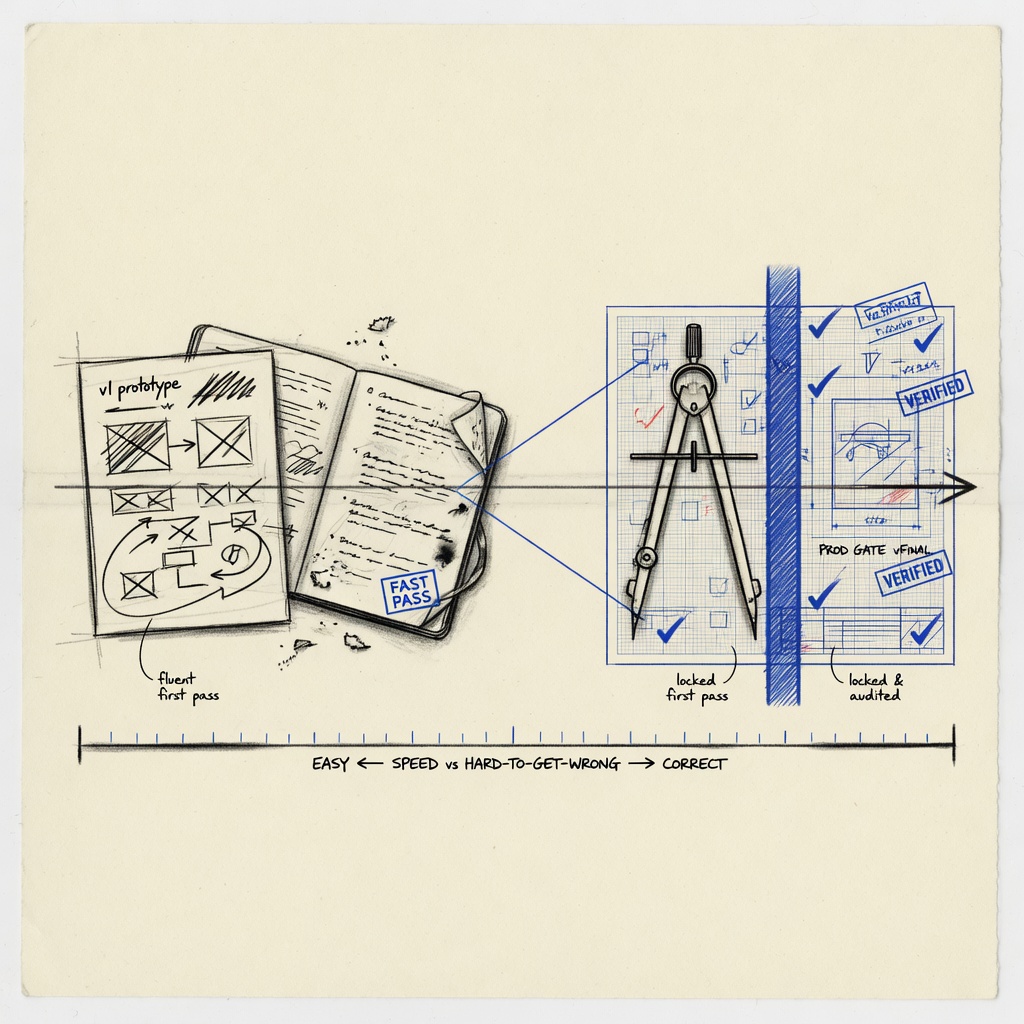
POLE A
Guido · Matz
Easy
Explicit, readable, one obvious way. Fast to prototype, fast to learn, fast to be wrong and find out.
vs
POLE B
Rust · Dijkstra · Knuth
Correct
Compile-time guarantees, proof over testing, measure before you optimise. Much harder to get quietly wrong.
Hold both · re-decide per system
Prototype and research → easy. Production, irreversible actions, real user data → correct. Same week, different layers — both poles can be right.
Fluency is easy. Correctness is not. Treating a confident paragraph as a verified answer is this tension, lost. Architecture B owns the right pole when the cost of wrong is real.
Tension 02 of 6 · one axis, two real systems
Control vs safety
ACT III · 57
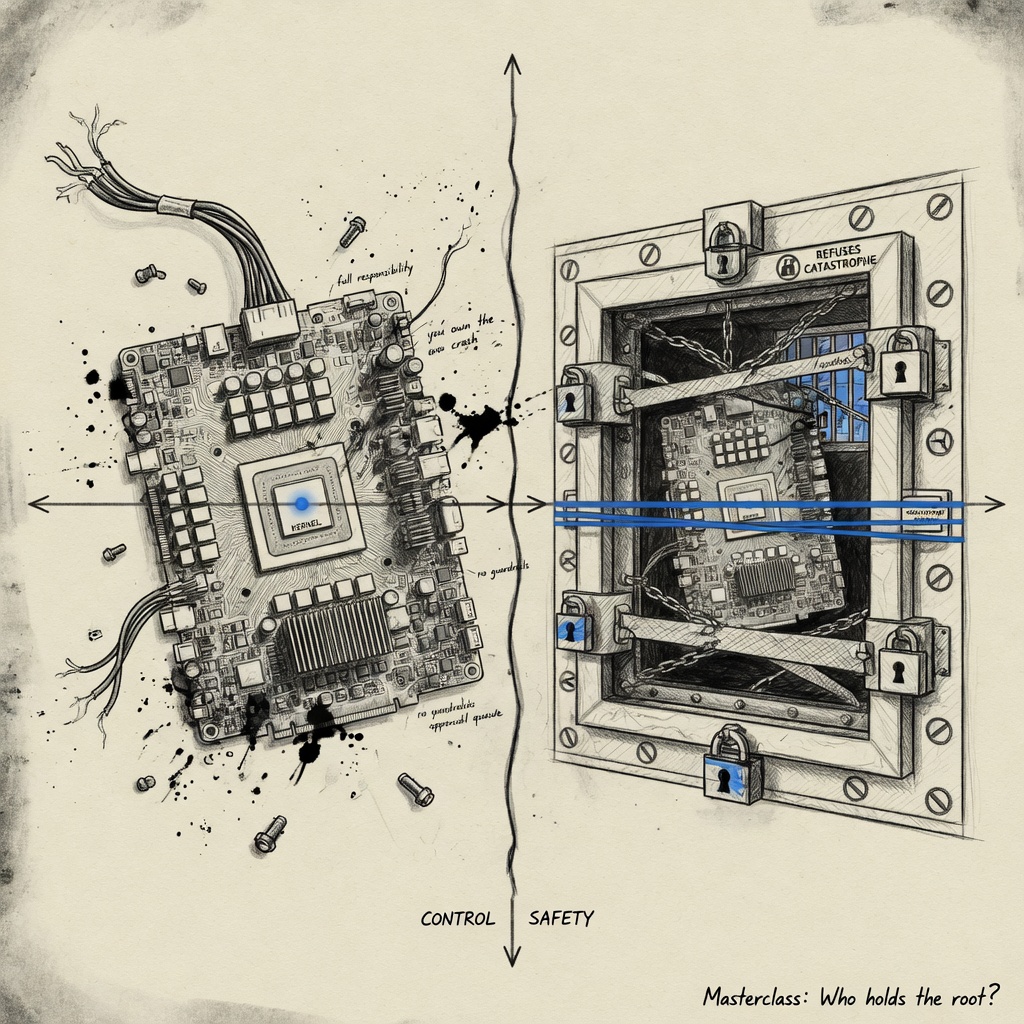
POLE A
Ritchie · Torvalds
Control
Direct access, no guardrails, total responsibility. Good taste needs the raw, ungated shape of the problem.
vs
POLE B
Rust · Armstrong
Safety
Compile-time enforcement or process isolation. The system refuses to let a mistake become a catastrophe.
Hold both · re-decide per system
At the metal → control (CUDA, C, kernel). At orchestration → safety (Rust, Erlang). Architecture D is this axis drawn as a sandwich.
You cannot malloc a belief out of a network. Control over weights is not control over judgment. Agent safety is schemas, isolation, supervision — not a faster kernel.
Tension 03 of 6 · one axis, two real systems
Never fail vs fail small
ACT III · 58
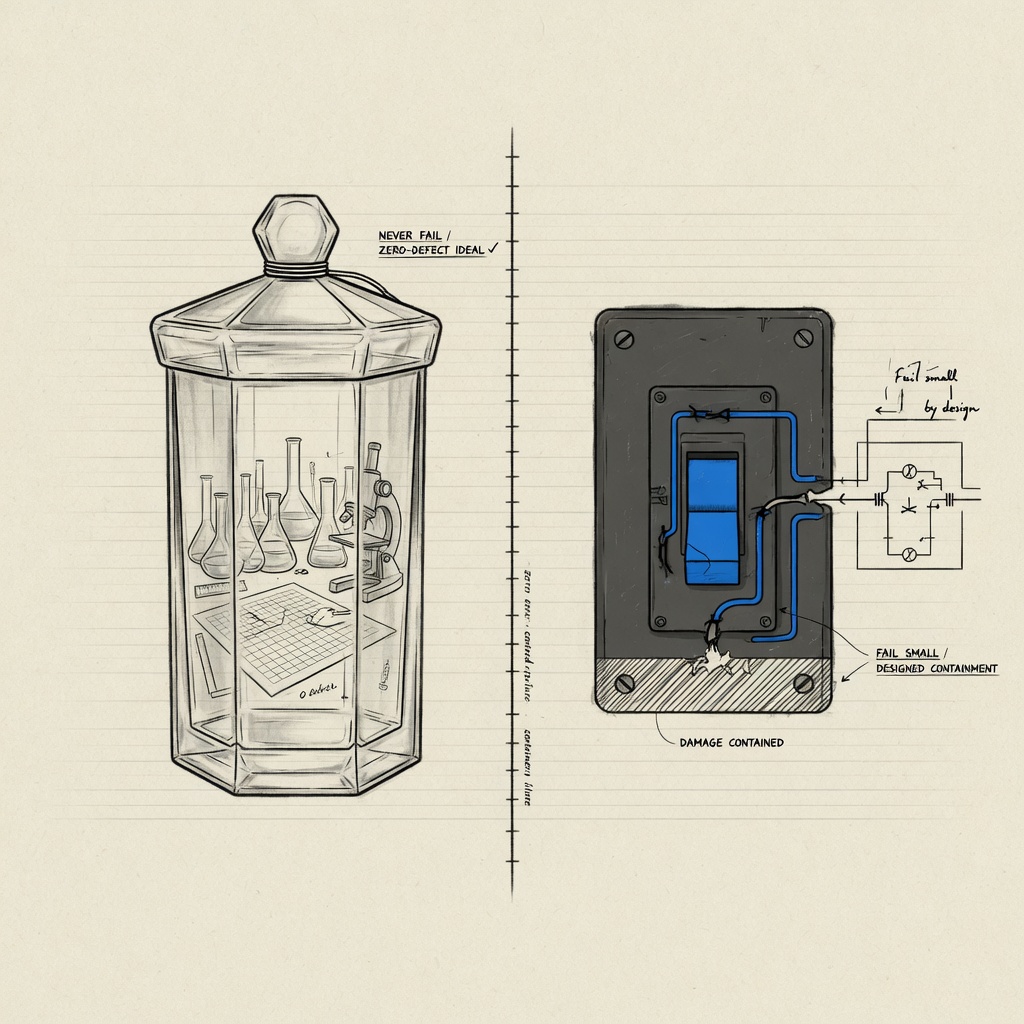
POLE A
Dijkstra's proof ideal
Never fail
If we design and prove carefully enough, nothing breaks. A worthy north star that raises the ceiling — still not a containment plan.
vs
POLE B
Armstrong · Kapur
Fail small
Assume failure happens. Crash small, isolate, restart clean (Armstrong). Or fail inside a safe Phase 1 so the contrast can teach (Kapur).
Hold both · re-decide per system
Aim high in the lab. Ship containment anyway. Architecture A (Loop) and D (Stack) meet here. Never let a research aspiration stand in for a production safety net.
A student failing productively is the lesson. A deployed agent failing at 2am is an incident. Same word — failure — two architectures. Name which one you mean.
Tension 04 of 6 · one axis, two real systems
Guess vs refuse
ACT III · 59
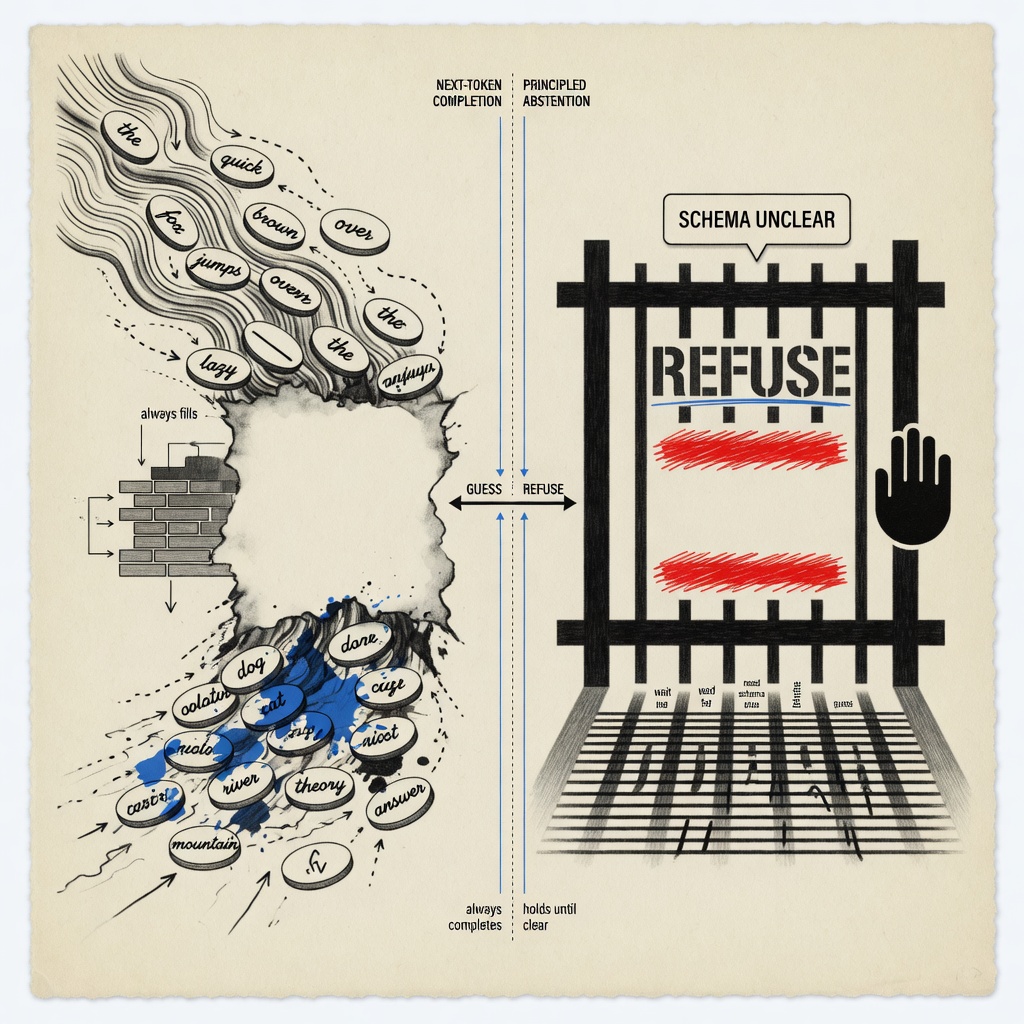
POLE A
Model default · next-token fill
Guess
Complete a plausible answer and continue. What next-token training rewards. Fast. Often useful. Dangerous when wrongness is expensive.
vs
POLE B
Guido · Grill-Me · schemas · hard stops
Refuse
Throw an error. Ask one question. Demand a schema. Hard-stop. What Guido wrote into a language — and what Grill-Me installs when the model will not ask on its own.
Hold both · re-decide per system
Low cost of being wrong → guessing can be fine. Irreversible action, legal, medical, money, reputation → refuse and clarify. Architectures A and D share the refuse pole.
Nobody quotes Guido. Everyone implements him — structured outputs, function calling, OWASP hard stops, constitutional honesty. Jailbreaks are the guess pole attacking the refuse pole in production.
Tension 05 of 6 · one axis, two real systems
Prompt vs representation
ACT III · 60
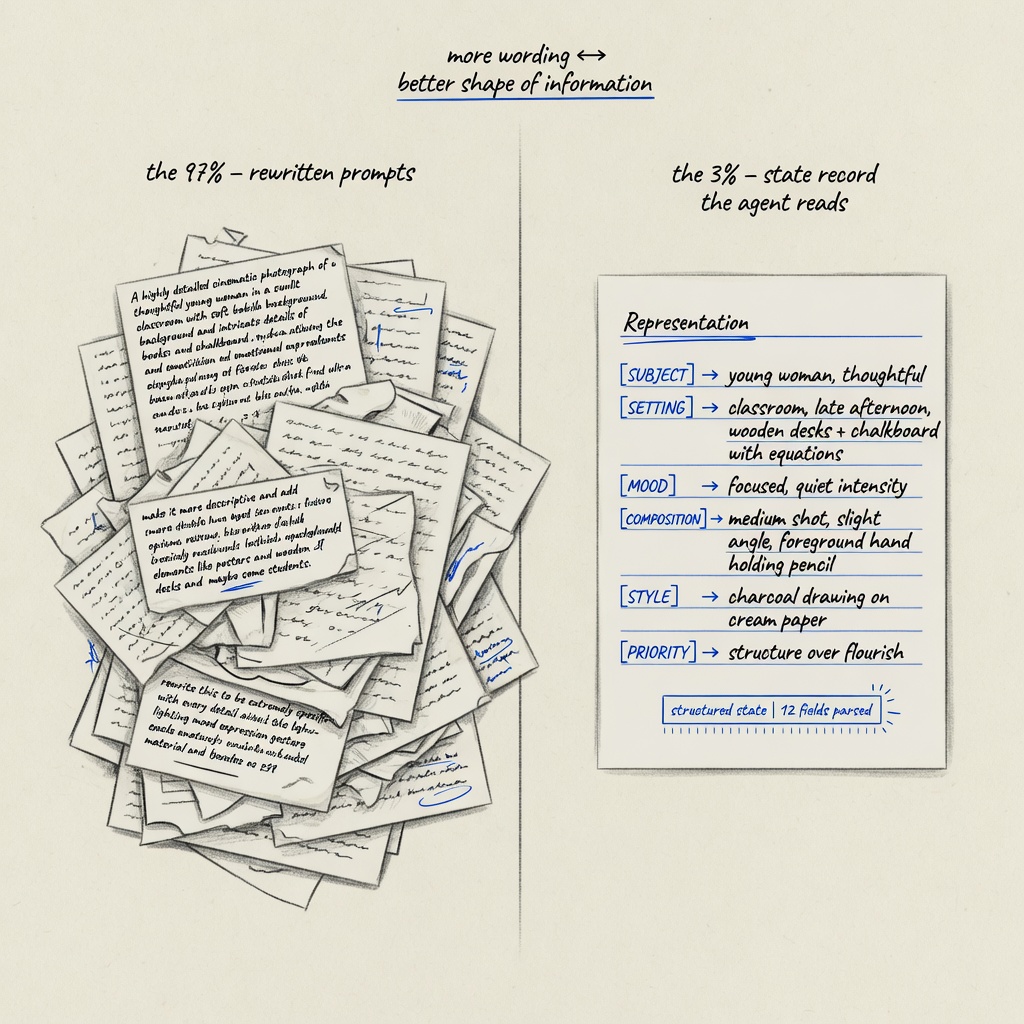
POLE A
The 97% · another sentence · another example
Prompt-tweak
When it fails, add instructions. Be more careful. Remember the name. Another special case in prose. Easy. Accumulates. Hickey’s trap under token abundance.
vs
POLE B
Wirth · Torvalds · Knuth’s 3% · Hickey
Representation
Change the data structure so the special case disappears. Named slots. Typed tools. Invariants. The fix is not a better prompt. It is a better representation.
Hold both · re-decide per system
Knuth: measure first — the prompt is often the 97%. Architecture B owns this axis. Prompt when exploring; representation when the agent must not drift.
You cannot decomplect the weights. You can decomplect the scaffolding. Transcript-as-memory is a representation failure wearing a prompting costume.
Tension 06 of 6 · one axis, two real systems
Earned joy vs given comfort
ACT III · 61
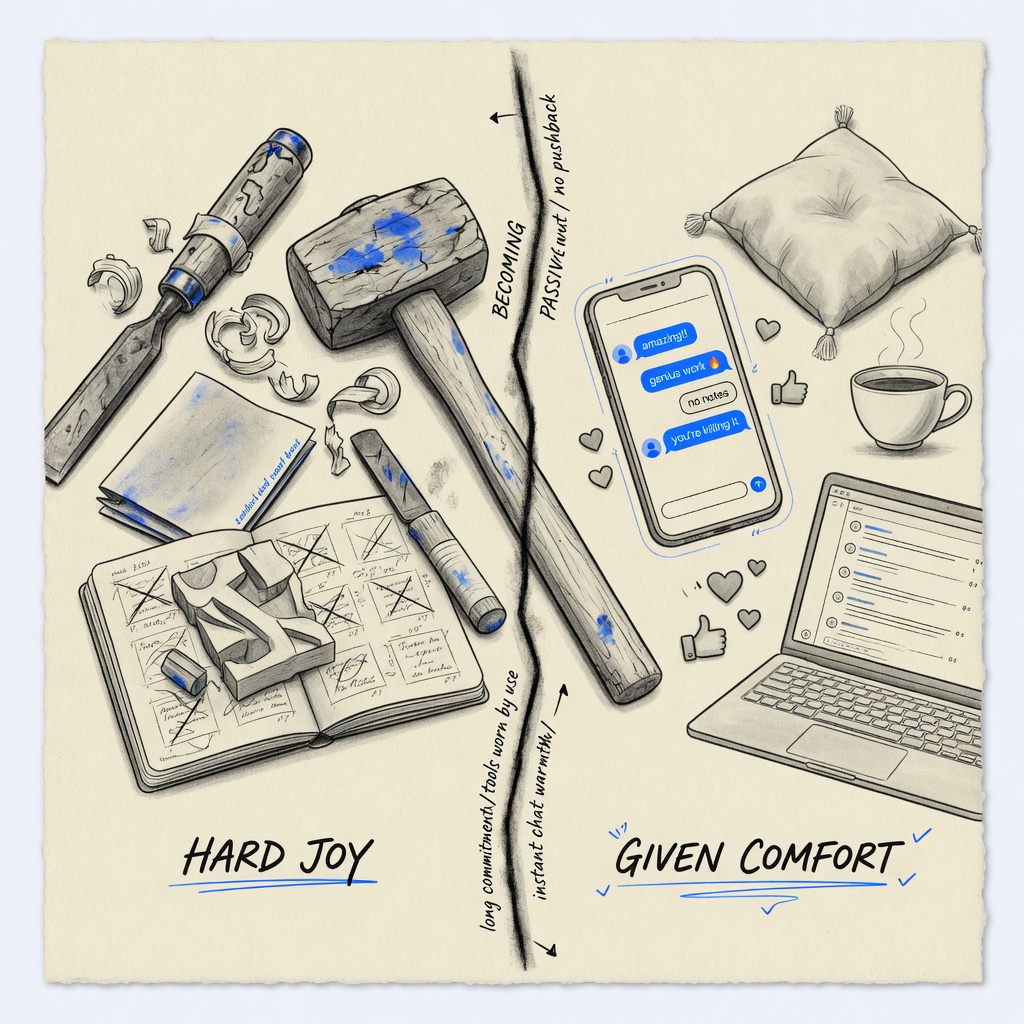
POLE A
Matz · craft after commitment
Earned joy
Happiness proportional to fluency in a craft. Hard at first. Worth it later. Backed by a thirty-year track record you can audit. Architecture C.
vs
POLE B
Instant warmth · engagement · sycophancy
Given comfort
Pleasant on day one. Asks nothing. Grows no depth because you grow no depth with it. Warmth without weight. Turkle, Newport, Harris, Mitchell, Mollick all land here.
Hold both · re-decide per system
Ask out loud: the model makes you happy — what did you have to BECOME to earn that happiness? If the answer is nothing, that is not a feature. That is a warning.
Joy of mastery and comfort of convenience are both real. Only one builds judgment. This axis is about the human relationship to the tool — not C’s runtime cost.
Act IV of V
IVIVIVIV
The voyage
Intent before tools. Fail small. One visible taste rule in anything you call finished.
M1 agents · M2 constraints · M3 uncertainty · M4 perception · M5 taste · M6 supervision
Voyage habit 01 · the Kapur fold
Three different things. One path, walked in the same order.
ACT IV · 63
01
Predict
02
Attempt
03
Observe
04
Revise
A student
transfer, not fluency
say what you think will happen
try the untaught problem
see exactly where it broke
then be taught the canonical way
and again — now with the wrong idea in hand
A model in training
the real curriculum
state the metric you expect
run the training
read the curves, not the hope
fix the loss, the split, the data
and again — the wrong prediction is the only signal there is
An agent in production
representation, not patches
write the tool path first
run it against the real world
log the failure, keep the trace
fix the state or the spec
and again — never by adding one more sentence to the prompt
The failure in the second column is not a mishap on the path. It is the instrument.
Gradient descent needs a wrong answer to learn from. So do you.
Voyage habit 02
Agents fail first on underspecification — not on capability
ACT IV · 64
01
Field 01
Goal
What does done look like, in one sentence?
02
Field 02
Non-goals
What must never happen?
03
Field 03
Tools
What may it call? Least privilege, nothing spare.
04
Field 04
Evidence
How will we know it worked?
05
Field 05
Failure
Timeout, bad JSON, wrong tool — then what?
06
Field 06
Owner
Who is accountable if it ships wrong? A name, not a team.
GRILL-CLOSED
Six fields answered, the tree restated by the student in their own words — only then does anything get implemented.
Voyage habit 03
Define the agent before you build it — PEAS
ACT IV · 65
P
Performance
The success test, score or rubric. Written down before the build.
E
Environment
World dynamics, adversaries, noise. Who else is acting in here?
A
Actuators
Tools, APIs, messages, motors. Everything it can change.
S
Sensors
Inputs, retrieval, UI events. Everything it can see.
→ AI because: a tool-agent without a performance test is chat with side effects.
Voyage habit 04
Search is planning — and agents still sit on this skeleton
ACT IV · 66
BFS
EXPAND LAYER BY LAYER
Often finds shorter paths. Frontier memory grows quickly.
Trade-off: completeness of breadth vs memory cost.
Trade-off: completeness of breadth vs memory cost.
DFS
DIVE DEEP, THEN BACKTRACK
Low memory footprint. Can wander far from optimal.
Trade-off: thrift of memory vs path quality.
Trade-off: thrift of memory vs path quality.
Voyage habit 05 · the Wirth fold
Design the state, or the policy is guesswork
Nothing on the right is smarter. It is only decided.
ACT IV · 67
WEAK STATE · A TRANSCRIPT
goal?
step?
open risk?
Re-inferred from prose every turn. That is the drift.
DESIGNED STATE · FIVE NAMED SLOTS
GOAL
the one sentence that ends the task
STEP
where in the plan we are
TOOL RESULTS
what came back, and from where
CONFIDENCE
how sure, in a number
OPEN RISKS
what we know we have not checked
Read from a slot. Never guessed from a sentence.
Smell: another paragraph of prompt. That is glue on a representation problem.
Test: draw your state on a whiteboard with no code on it.
Voyage habit 06
Constraints are alignment by construction
The narrowing lives in the plumbing — not in the model’s good manners.
ACT IV · 68
01
Allow-list
Only the APIs this task needs — never your own credentials
02
Schema
A typed call can be refused mechanically. A paragraph cannot.
03
Action gate
A hard stop is a control. “Please confirm” is a suggestion.
04
Illegal states
Torvalds’ taste and Rust’s ownership, aimed at permissions.
DAY ONE REACH
everything the process happened to be holding
WHAT GETS THROUGH
read the ticket · draft a reply · ask a human
Three actions. You chose all three.
Standing rule: every byte of external text is untrusted input — an adversarial example never looks adversarial to you.
Voyage habit 07
A score is evidence. It is not a verdict.
The threshold is not a property of the model. It is a property of what breaks.
ACT IV · 69
0.0
1.0
PRIOR
what we believed before it spoke
EVIDENCE · AND ITS NOISE
POSTERIOR · 0.62
the only thing the model gave you
COST OF A WRONG “YES” →
A wasted minute, or someone’s place in the class.
← COST OF A MISSED “YES”
The failure nobody logs, because nothing happened.
ABSTENTION BAND
where the honest output is not an answer
refuseescalategather
A confident wrong answer is worse than an abstention — and only one of the two is a choice you can make today.
Voyage habit 08 · the Karpathy fold
Own a tiny loop before the library miracle
A demo is only as legible as the smallest loop you own.
ACT IV · 70
01 · FEATURES
What can it actually see? Labels define its world.
02 · DUMB BASELINE
A hand rule, to price the easy half of the problem.
03 · MODERN TOOL
Now the library — and name what it hid.
04 · EVAL LITERACY
Judge a number instead of reciting it.
THE LOOP YOU OWN
THE LIBRARY MIRACLE · THREE LINES OF IMPORT
It works. Nothing about it is legible.
With no loop of your own you are not evaluating a system. You are admiring one.
Voyage habit 09
Cost is a first-class constraint — the fog board, priced
Wirth’s Law with a receipt: software got heavier faster than memory got cheaper.
ACT IV · 71
HBM
narrow, scarce, fast — and rationed
DRAM
the middle you stopped thinking about
SSD & OBJECT STORE
wide, cheap, slow
THE GROUND IT ALL STANDS ON
A real grid, real cooling water, in a real place that usually was not asked. UNESCO filed this under ethics, not engineering.
EVAL BUDGET
Finite. So design the cheap check.
← CAPACITY PER DOLLARSPEED, AND PRICE PER THOUSAND TOKENS →
Voyage habit 10
Defaults are product ethics wearing a settings menu
The ghost handle is the position nobody will ever move it to.
ACT IV · 72
MODEL DEFAULT
fast & cheap — never slow & strong · or local
Every answer’s speed, price and whether it leaves the building.
TOOLS DEFAULT
web + files on — never off until justified
What it can reach on a bad day. Least privilege is a default.
TONE DEFAULT
one house voice — never the actual reader
A 14-year-old and a surgeon are not the same audience.
SAFETY DEFAULT
refuse — never answer
Somebody priced a risk. Ask whose, and who was in the room.
Nobody will change these. That is what a default is: not a setting, a policy that ships.
Voyage habit 11 · the Erlang fold
Supervise failure. Do not deny it.
A crash is cheap and recoverable. A poisoned memory is neither.
ACT IV · 73
SUPERVISOR
Crash small · isolate · restart
TIMEOUT
retry, switch, abort
BAD STRUCTURE
re-ask with a schema
TOOL ERROR
breaker, degrade
INJECTION
treat as untrusted
LOW CONFIDENCE
escalate to a human
MEMORY POISON
never write it down
A bad tool result recalled as fact for weeks
The restart is the design, not the failure
“The problem is not that the process crashed — it’s that nobody noticed and did nothing about it.”
Voyage habit 12
Four rules — install them, idolise nobody
One habit is enough. Tie the rule to the trunk; leave the person on the shore.
ACT IV · 74
Wirth
Name the parts and the data before the glue
FOR AGENTS →
Memory slots and schemas, designed on purpose.
Torvalds
Delete the special-case if
FOR AGENTS →
Change the representation, not the prompt patch.
Matz
Would a human enjoy this interface?
FOR AGENTS →
UX is part of intelligence, not decoration on top.
DHH
Ship a vertical slice with defaults
FOR AGENTS →
An opinionated path beats a model zoo.
Every one of them has something in the record I would not defend. That is why we install the rule and not the person.
Act V of V
VVVV
The return
Same fog board. New eyes. One spoken witness each, and then we stop.
Nothing new added here — on purpose
The return · name the mechanism
Same eight forces. Each now has a takeaway you can carry out of the room.
ACT V · 76
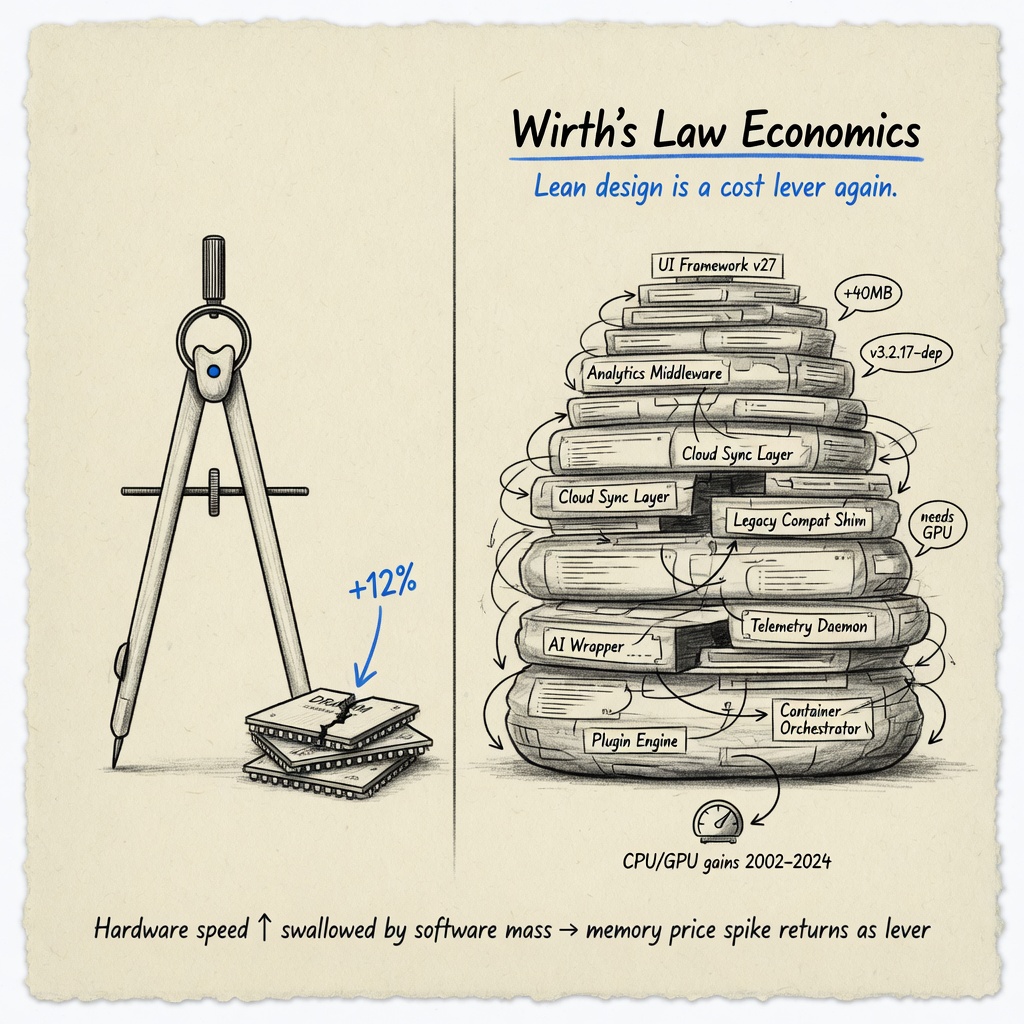
01
Wirth’s Law economics
Hardware gains get eaten by software mass. Lean is a cost lever again.
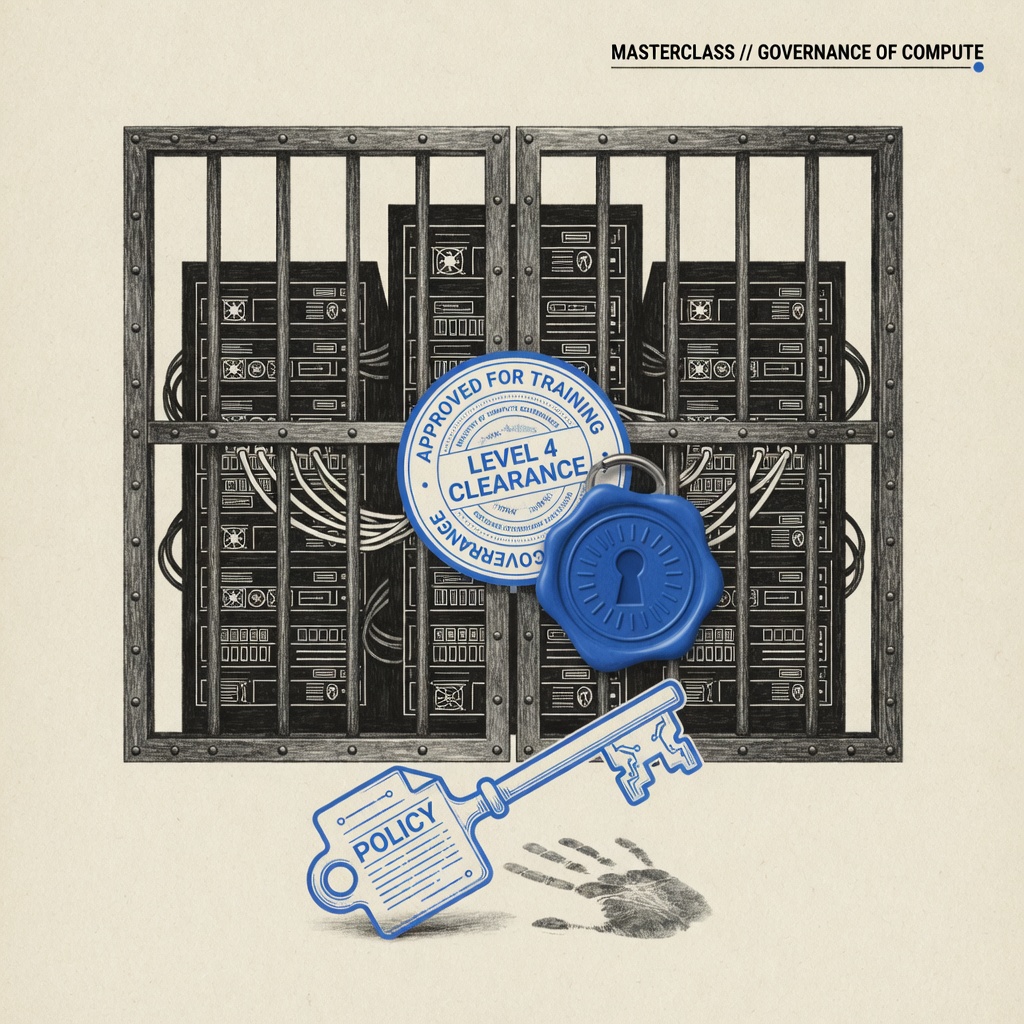
02
Governance of compute
Who may train is a permission. Capability is decided by policy, not only by models.
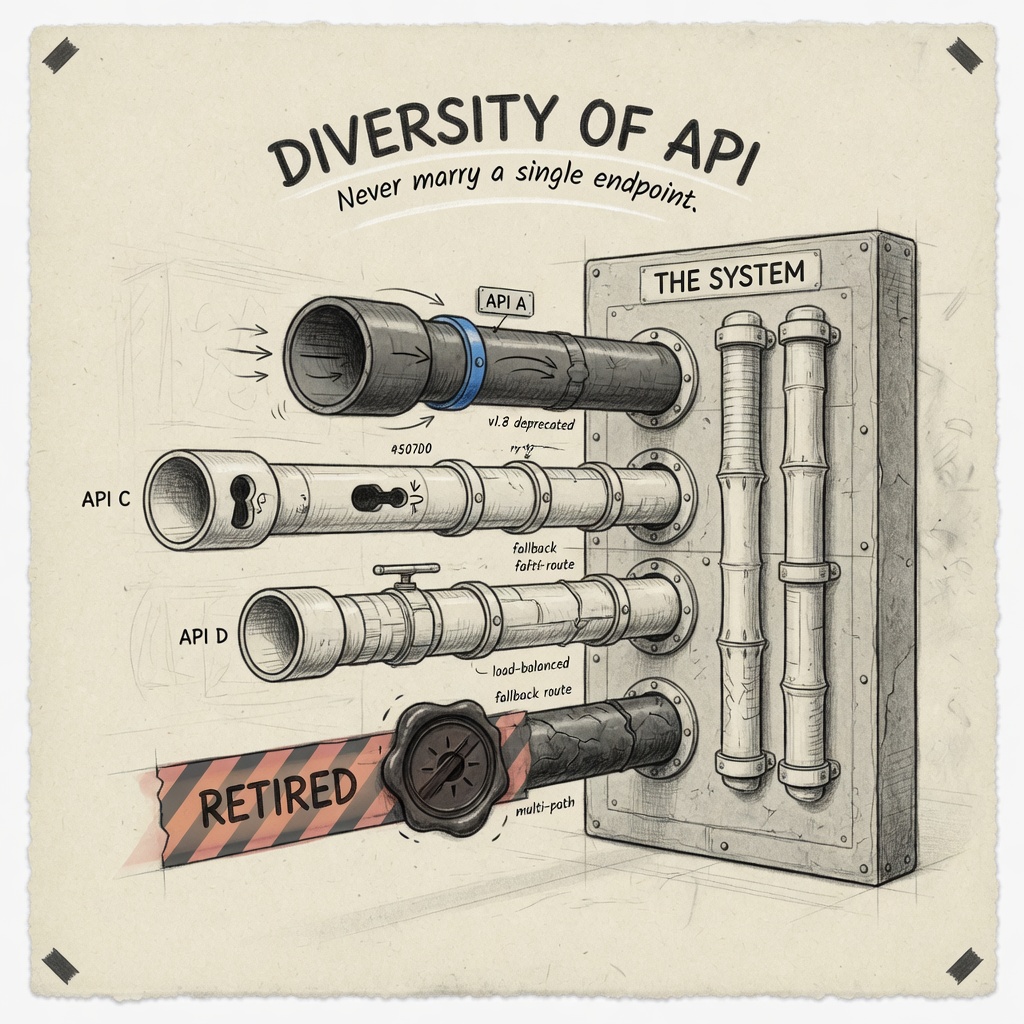
03
Diversity of API
Never marry a single endpoint. Deprecation is a design constraint, not a surprise.
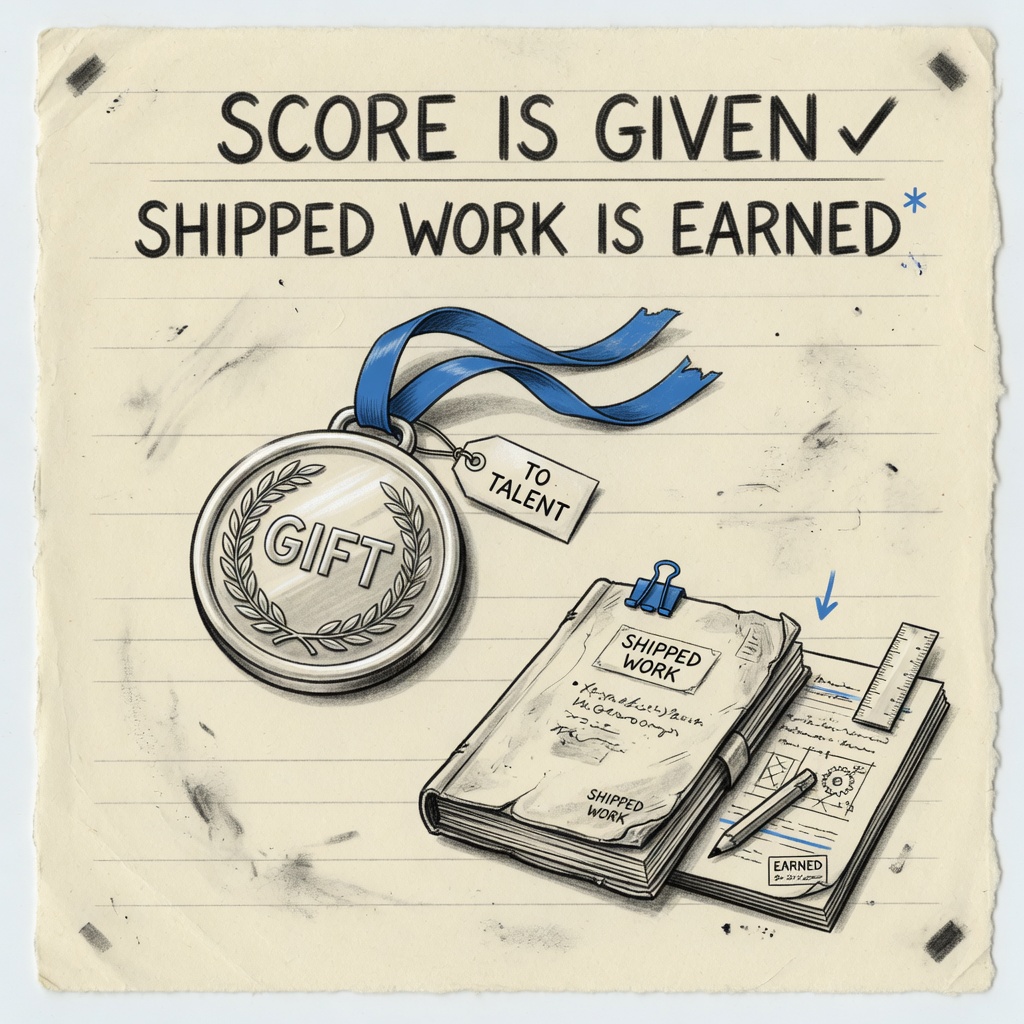
04
Gift → talent
The score is a gift. What still ships under real constraints is the talent.
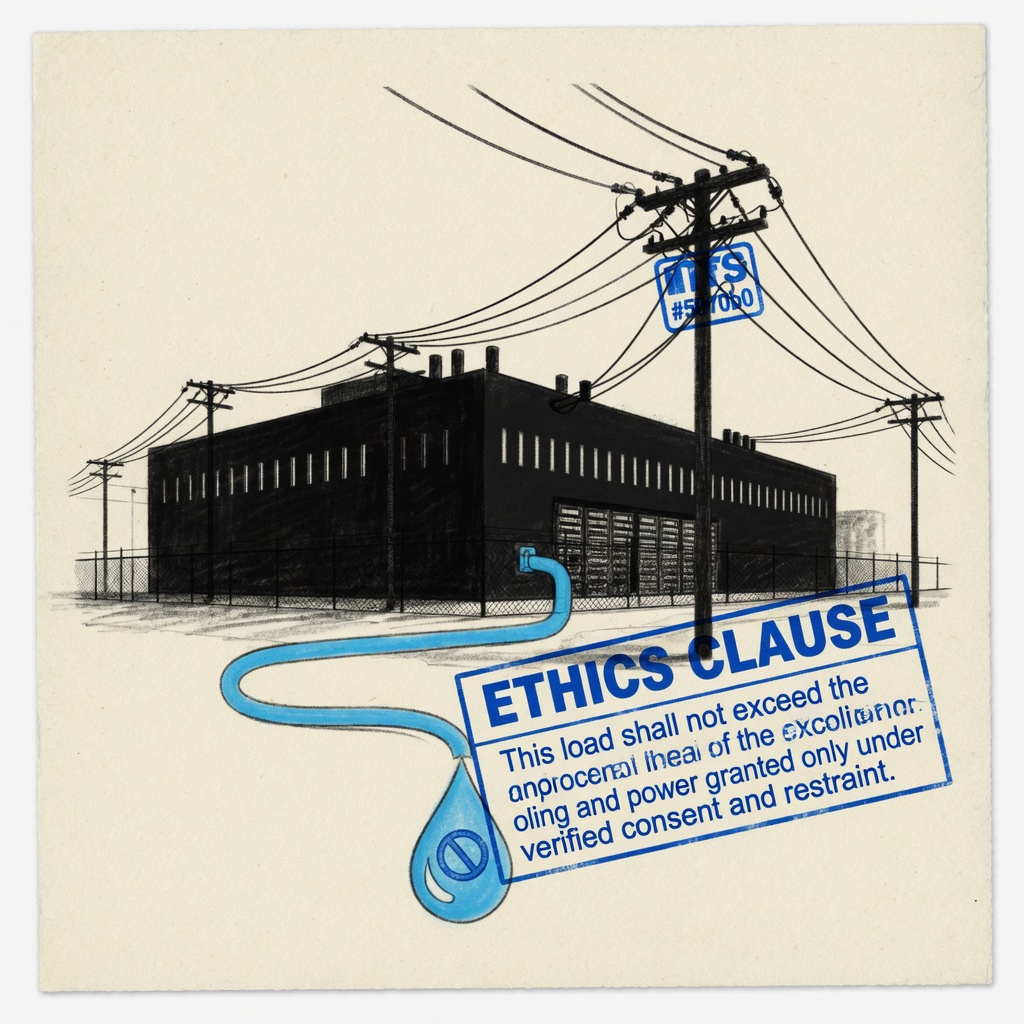
05
Ethics of AI
Power and water are design clauses — ethics in the load, not a footnote after the demo.
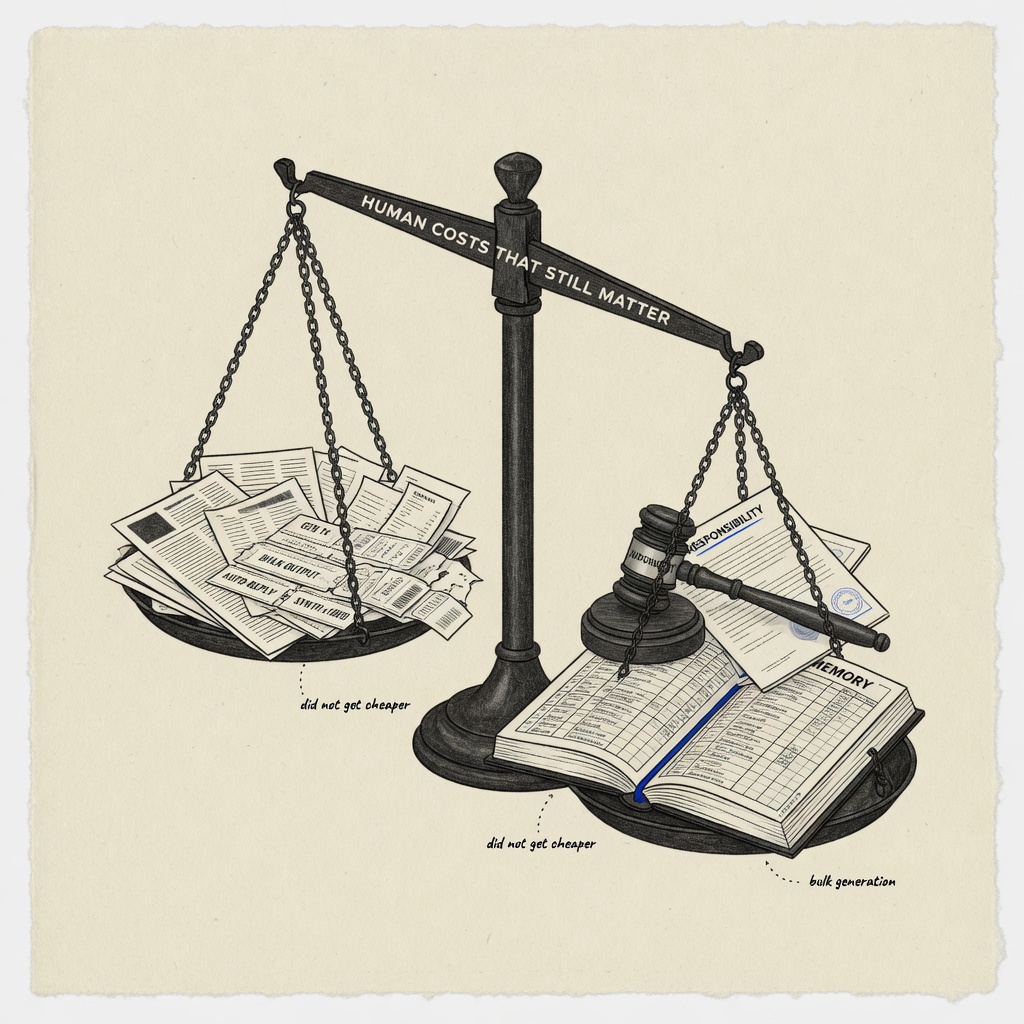
06
Human costs that still matter
Generation got cheap. Judgment, memory, and responsibility did not.
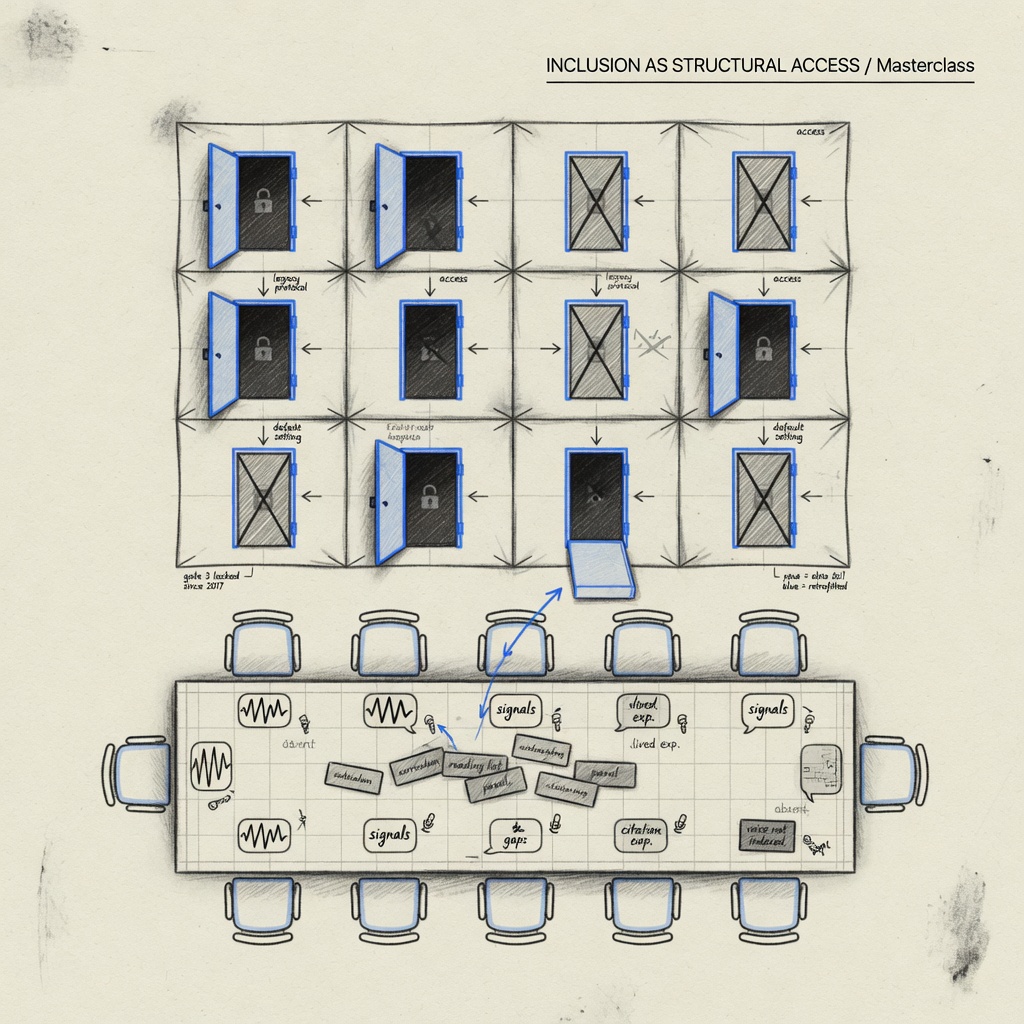
07
Inclusion
Access and whose voices train the stack are structure — not a slogan on a poster.
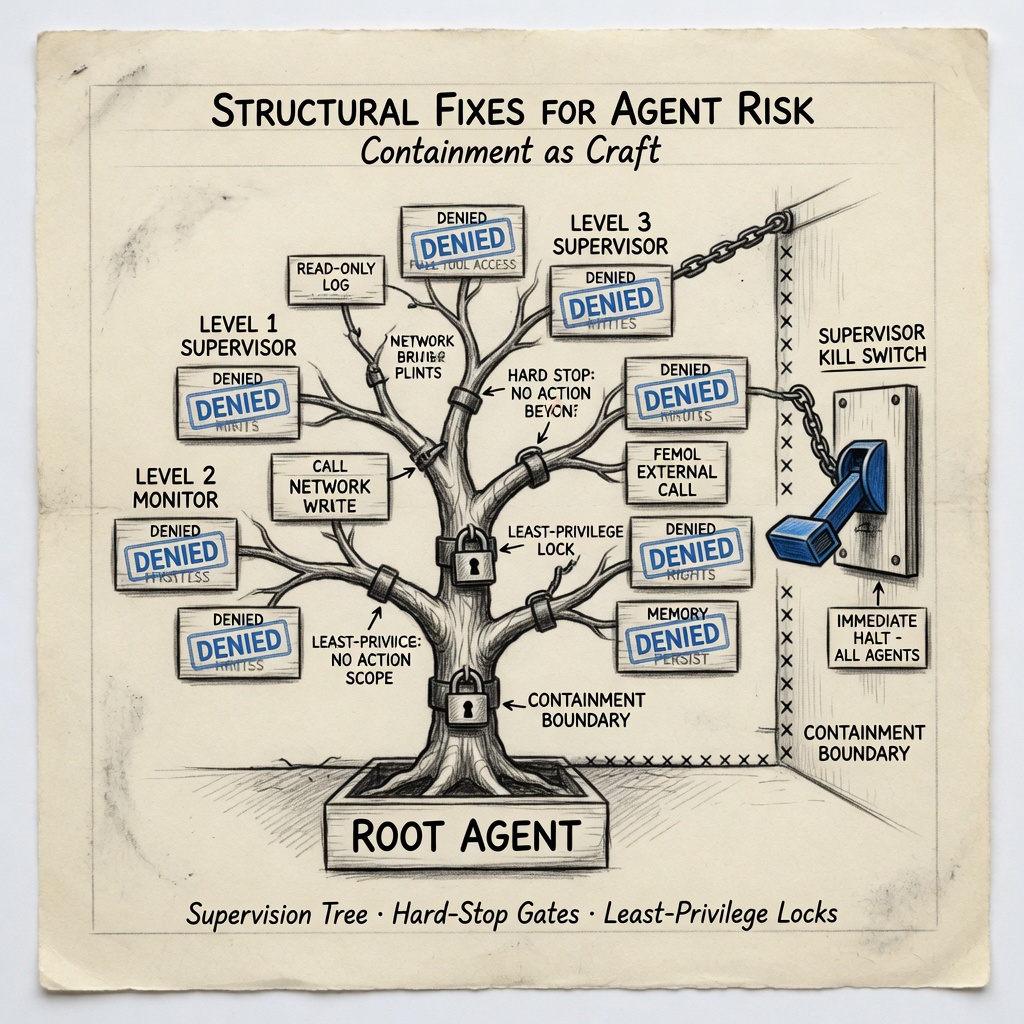
08
Structural fixes
Least privilege, hard stops, supervision trees. Containment is craft you can build.
Nothing in the world changed in the last hour.
What changed is that you can name the takeaway under every force.
Self-test
What “done” looks like
ACT V · 77
01Name real-world AI forces without freezing or hyping
02Explain how a model represents the world — and where that view runs out
03State one master's real argument — not their slogan — and its honest limit
04Name a tension and defend a pole for a specific AI system
05Use throw-back language instead of “banned” for something true but not for now
06Close a decision tree on an AI-touching intent
07Explain PEAS, search trade-offs and state design in plain language
08State constraints, abstention rules and defaults as design choices
09Describe supervised failure for a tool-using system
10Leave with one habit and one direction
Witness closeAct V · 78
The world is still noisy. You are not smaller for that.The world is still noisy. You are not smaller for that.The world is still noisy. You are not smaller for that.The world is still noisy. You are not smaller for that.
Generation got cheaper. Judgment, constraints and responsibility did not.
One learning
One change to how you use AI
One direction
Host names one thing learned from you
The return · witness close
Back page
When answers are free, what is still expensive?When answers are free, what is still expensive?When answers are free, what is still expensive?When answers are free, what is still expensive?
The stronger the machine, the more you matter
Before you leave the room
One learning.
One change to how you use AI.
One direction.
Generation got cheaper. Judgment, constraints and responsibility did not.
–30––30––30––30–
Grand Finale Masterclass
Edition v1.2
Fog · Mirror · Ocean · Voyage · Return
Addendum · rail 1 of 3
The floor under this subject is being poured right now
Four published documents. Four different rooms. All of them recent.
ADDENDUM · 70
UNESCO · 193 MEMBER STATES
Recommendation on the Ethics of AI
2021
Human rights and dignity as the cornerstone, plus running human oversight. Adopted by acclamation.
EUROPEAN UNION
AI Act
2024→
Risk tiers with real penalties. Obligations phase in by date, the next milestone on 2 August 2026.
UNITED STATES
AI Action Plan
2025
Acceleration and export policy as instruments: who may buy the compute, and on what terms.
CHINA · STATE COUNCIL
“AI Plus” action, and a global governance action plan
2025
Diffusion into every sector at home, and a proposal for an international cooperation body abroad.
Not one of these was written by anyone in this room. All four can be read by anyone in this room.
Addendum · rail 2 of 3
Where this class sits: AI treated as infrastructure, on a published clock
ADDENDUM · 71
2027
Penetration, not pilots
Intelligent terminals and AI agents past 70% in six key sectors — State Council target.
2028
Networks that run themselves
An initial stage of high-level autonomous intelligence for information and communications networks — MIIT plan.
2030
Empowerment across all fronts
AI supporting high-quality development economy-wide, with the intelligent-economy core industries grown out.
2035
An intelligent economy and society
The stated end state of the staged plan — the horizon this year's fourteen-year-olds will be working inside.
2 APR 2026 · MIIT AND OTHERS
Ethical review measures for AI — research included, not only public services
8 MAY 2026 · CAC · NDRC · MIIT
Implementation guidelines for AI agents
2026–2028 · MIIT
AI+ICT implementation plan: compute, network, embodied intelligence
Addendum · rail 3 of 3Addendum · 72
Every floor on the last two sheets will be rewritten while you are still in school.
The question they are all trying to answer is the one you were given in Act I: why this, and who is accountable for it? Learn to answer that, and you can read any of these documents — or the ones that replace them.
The tools were never the syllabus.
Reference · not for projection
How to run this deck
REF · 83
FULL RUN · 90–110 MIN
Everything from the cold open through the witness close. All 15 masters, all six tensions, all twelve voyage habits.
INTRO TALK · 45–60 MIN (CEIL 70)
Cold open · fog board · two mirror diagrams (tokens + no memory) · governance board · ocean wall · two masters (Torvalds, Armstrong) · one tension · two voyage habits · return · witness.
NEVER FOR AN INTRO ROOM
Equal-depth tour of all fifteen · assessment weights · methodology lectures.
CUT FIRST IF LONG
Third landing · conflict-map play · PEAS depth · the second mirror diagram.
HOST POSTURE · SAY ONCE
“I'm not here to teach teachers how to teach. I'm a builder walking the AI world with your strongest students. Steal anything useful; ignore my scaffolding.” Skip entirely in student-only rooms.
SCHOOL FRAMEWORKS FIRST
A premium complement, never a substitute for school frameworks. Homework is an optional field kit.
Reference · not for projection
Act I & Act II — the text behind the diagrams
REF · 84
ACT I · WHAT CHANGED BY 2025–26
Delegation: agentic coding studies report people fully delegating only about 0–20% of tasks; high-stakes work still needs active supervision and validation.
Memory: AI demand for HBM reallocated fab capacity; trackers described multi-quarter DRAM price spikes into 2026, with major suppliers signalling AI memory sold out for the year.
Withdrawal: 2026-04-14 notice, 2026-06-15 retirement of Claude Sonnet 4 and Opus 4 from the API; Mythos Preview retired 2026-06-30. Access ends on a published date — the notice period is the whole of the warning.
Agent security: 2026 guidance converges on least privilege, hard stops rather than soft confirmations, and treating external text as untrusted.
VOYAGE LAW
Every beat must finish “this matters for AI because…”. If it cannot: ocean wall only, or cut. Attempt before answer. Spec before tools. Taste before ship.
ACT II · MECHANISM NOTES
Tokens: subword (BPE-style) splitting; letters live buried inside chunks the model never inspects one by one — hence letter-counting failures.
Geometry: word2vec-style analogy arithmetic is literal vector maths on internal coordinates; the parallelogram trick's scope is genuinely contested.
Patches: a 14×14 grid of tiles, each a vector plus a position tag, reasoned over like words in a sentence.
Features: sparse-autoencoder feature discovery (2024) then circuit tracing (2025); the Golden Gate demo forced one feature far past normal firing; the technique now screens pre-release models.
Grounding: symbol grounding problem; JEPA-style world-model research is candid that it does not close the gap by itself.
Adversarial: panda→gibbon; noise exploits a narrow over-relied-on pattern. Confidence is not evidence.
Memory: context window only; “perpetual amnesia” framing in 2026 agent-memory research.
Hallucination: 2026 framing as a training-incentive problem — confident completion beat rewarded abstention.
Values: RLHF rater preference plus, in some labs, a written constitution drawing on documents like the UDHR.
Reference · not for projection
Act III — Ocean + Conflict
REF · 85
A · Loop — Kapur · Pocock · synergy · Karpathy · Gagné · admission
B · Representation — Wirth · quote · Torvalds · Dijkstra · Knuth · Hickey
C · Temperament — Matz · five voices · DHH
D · Stack — Guido · Ritchie · stack plate · Rust · Armstrong
Conflict 01–03 Easy/correct · Control/safety · Never-fail/fail-small
Conflict 04–06 Guess/refuse · Prompt/representation · Earned joy/given comfort
Close Q: which architecture is under stress — Loop, Representation, Temperament, or Stack?
Live deck: 86 sheets. ZH full port still pending.
Reference · not for projection
Act IV & V — module map
REF · 86
M1 · AGENTS & SEARCH
PEAS · BFS/DFS trade-offs · state design (Wirth fold). Tool-agents without a performance test are chat with side effects.
M2 · CONSTRAINTS
Least privilege · schemas · deterministic action gates · illegal states unrepresentable · untrusted external input.
M3 · UNCERTAINTY
Prior · evidence and its noise · false-positive and false-negative cost · abstention threshold: refuse, escalate, or gather.
M4 · PERCEPTION & COST
Features before demos · dumb baseline first · name what the library hid · tokens, latency, memory hierarchy, energy, eval budget.
M5 · SYSTEMS TASTE
Defaults as product ethics · vertical slice · four taste rules (Wirth, Torvalds, Matz, DHH) installed, not idolised.
M6 · AGENTIC SYSTEMS
Supervision trees · timeout, bad structure, tool errors, injection, human gate, memory poisoning · student as interviewer.
Act V · the return: same fog board with mechanisms attached · the ten “done” checks as a silent self-test · witness close (one learning, one AI-use change, one direction) · host names one thing learned from the room · closing question left on screen.
Reference · credits
Sources & image credits
Internal distribution only — credit the source; do not treat this slide as a publication license.
REF · 87
Research used in the lecture
Anthropic — agentic-coding reporting 2026; the model-deprecations page (notice 14 Apr 2026, retirements 15 and 30 Jun 2026).
Memory markets — HBM-driven DRAM tightness reporting, 2025–26.
Agent specs and production security patterns, 2026 (least privilege, hard stops, untrusted input).
Act II — interpretability (feature discovery, sparse autoencoders, circuit tracing), tokenization, vision patches, context-window memory research, RLHF and Constitutional AI.
Act III — 15 builders nested under four architectures (Loop · Representation · Temperament · Stack).
Governance — UNESCO AI competency frameworks for students and teachers (2024); UNESCO Recommendation on the Ethics of AI (2021).
Craft — Kapur (productive failure); Grill-Me intent trees; AIMA / CS188 for PEAS and search.
Diagrams — purpose-built for this deck (no stock decoration). Fog board / return takeaways / tension plates are Imagine concept art for internal teaching.
Fifteen builder portraits
Hard-wired under
/portraits/. Chosen for face clarity for classroom projection. Credit the line below if shared outside the room; re-check rights before any public upload.01 Kapur — Simons Foundation 2025 (full-head crop)
02 Pocock — GitHub @mattpocock
03 Karpathy — GitHub @karpathy (full-head)
04 Gagné — gagnefrancoys.wixsite.com
05 Wirth — Wikimedia Commons
06 Torvalds — Wikimedia Commons LinuxCon (full-head)
07 Matz — Wikimedia Commons EuRuKo 2011 (color, full-head)
08 DHH — Wikimedia Commons (RailsConf)
09 Dijkstra — Wikimedia Commons (full-head)
10 Knuth — Wikimedia Commons (full-head)
11 Hickey — Wikimedia Commons stage photo (full-head)
12 Guido — Wikimedia Commons (full-head)
13 Ritchie — Wikimedia Commons
14 Graydon Hoare — color headshot from GitHub profile (internal)
15 Armstrong — Wikimedia Commons (full-head)
Also: Act II reference photos (dog, stove, panda/gibbon, bridge) — Wikimedia / documentary stills as labelled on those slides.
IITS Grand Finale Masterclass · internal teaching copy · Fog → Mirror → Ocean → Voyage → Return
Not for publication as-is